
Last updated October 16, 2026
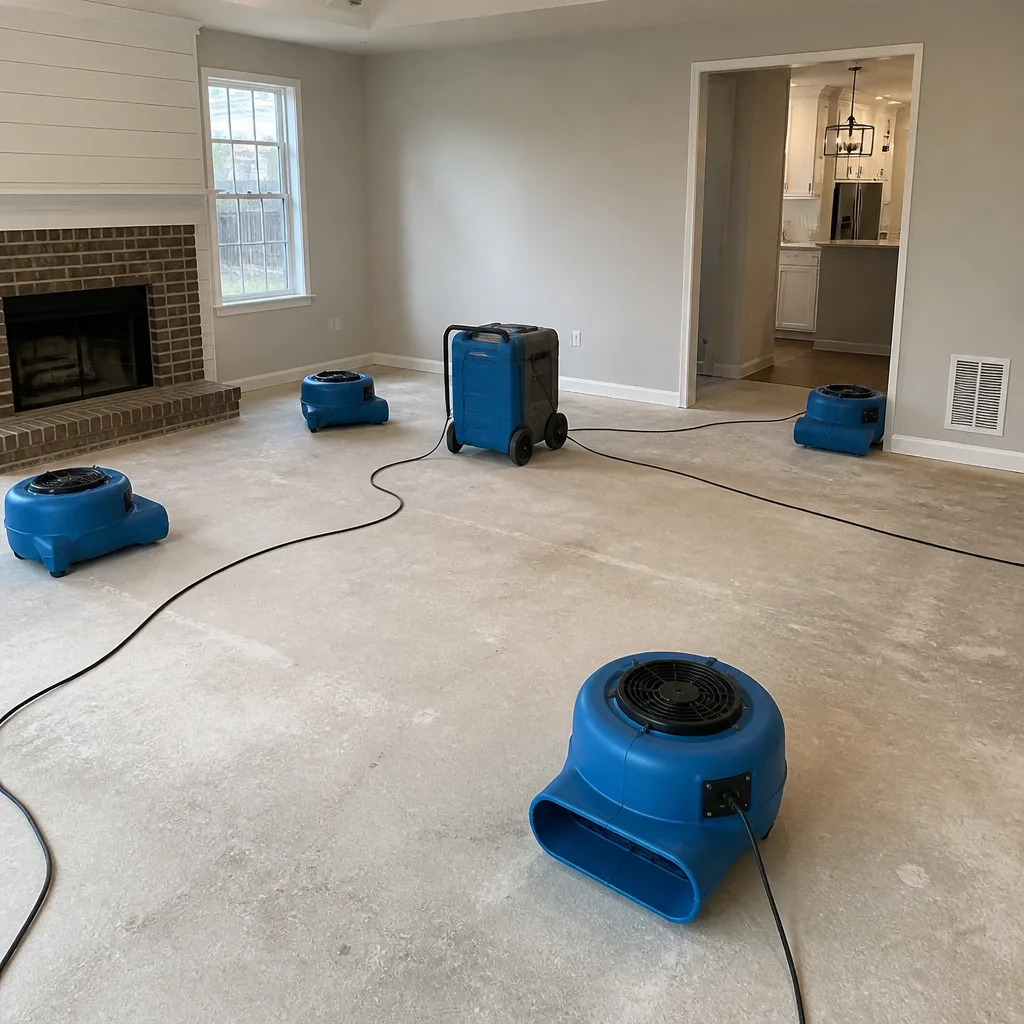 Water damage drying
 Fire & smoke cleanup
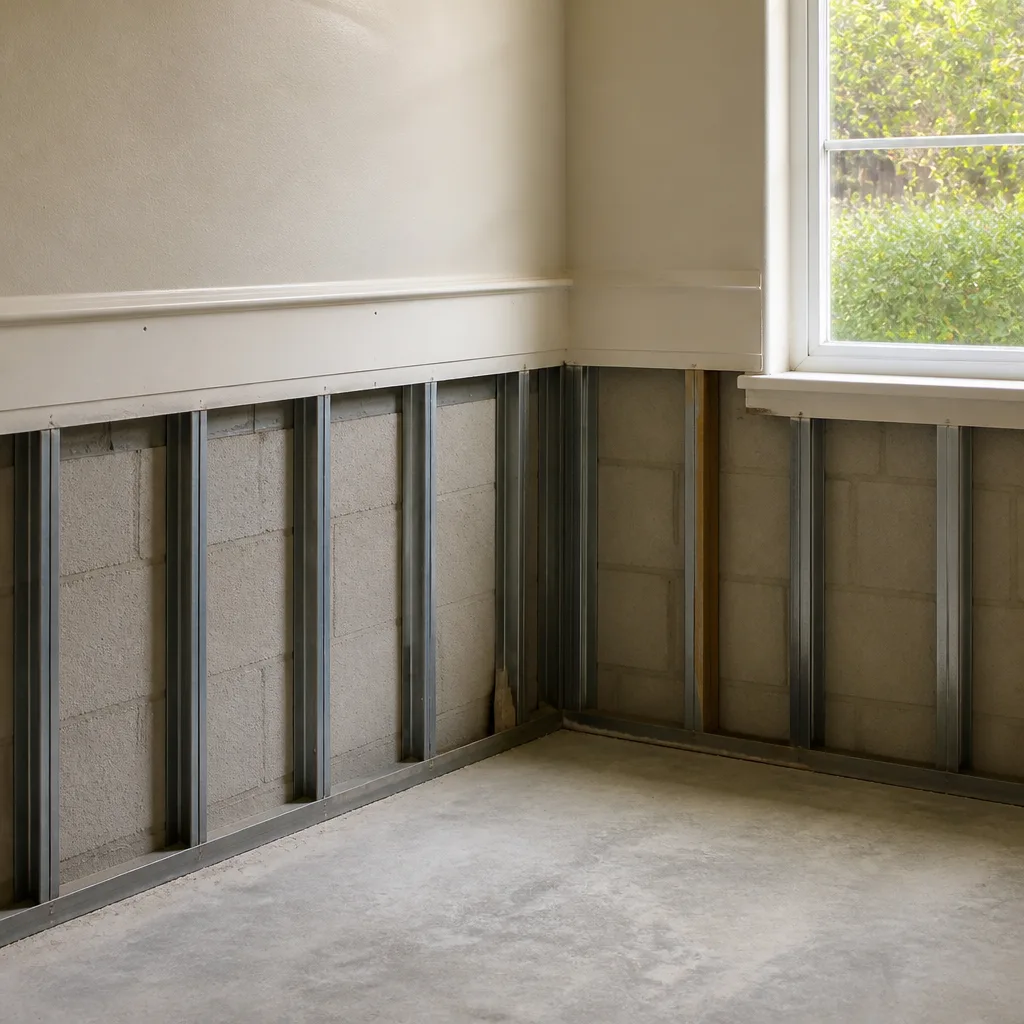 Mold remediation
 Storm response
 Sewage cleanup
 Reconstruction
Free visual inspection and a written scope of work before any mitigation begins - photos, moisture readings, and drying logs go in your claim file
The scope we write is the scope we bill. Anything new gets shown to you, in writing, before we touch it.
Get your free estimateHow to Hire a Damage Restoration Contractor in Orange County: A Step-by-Step Guide
Here’s a number that should stop you cold: after the atmospheric river events that hit Orange County in early 2024, the Contractors State License Board reported a 41% spike in complaints against unlicensed restoration operators compared to the same period the prior year. The damage was real. The people doing the repair work, in too many cases, were not. This guide exists because the difference between a smooth claim and a $4,200 overage charge usually comes down to one thing: knowing what a legitimate hiring process looks like before water is pooling in your hallway at 2 a.m. We’ll walk through exactly how to vet a contractor in Orange County, the one form you should never sign without reading twice, and the five questions that separate professionals from predators.
Restoration work we handle
Quick Answer
To hire a damage restoration contractor in Orange County, verify their California contractor license on the CSLB website, get a written scope and price before any equipment enters your home, confirm they carry workers’ compensation and liability insurance, and insist on a written workmanship guarantee. Legitimate companies like Dryden Restoration Orange County home put the price, the arrival window, and the warranty in writing before work begins. Never sign a direction to pay or assignment of benefits form without understanding exactly what claim control you’re transferring.
Table of Contents
- How to Verify a California Contractor License in 90 Seconds
- The Direction to Pay Form: What It Transfers and When to Walk Away
- Five Questions to Ask Before Any Equipment Is Placed in Your Home
- Red Flags Specific to Post-Storm Contractor Solicitation in Orange County
- How to Compare Two Restoration Bids When the Line Items Don’t Match
- Working With Your Insurance Adjuster: What a Good Contractor Does
- The Step-by-Step Hiring Process From First Call to Final Walkthrough
- Common Mistakes to Avoid
- When to Call a Professional
- Frequently Asked Questions
- The Bottom Line
How to Verify a California Contractor License in 90 Seconds
Every legitimate damage restoration company operating in Orange County holds a California contractor license. The problem is that many homeowners don’t know which classification applies to restoration work, and unscrupulous operators exploit that confusion.
Restoration companies generally operate under one of two license classifications. The C-20 classification covers warm-air heating, ventilating, and air conditioning, which includes much of the drying and dehumidification work central to water damage restoration. The C-10 classification covers electrical work, which becomes relevant when water damage requires rewiring or panel assessment. Some restoration companies also carry a C-61 / D-64 specialty classification, known as a “limited specialty” license for non-structural remediation. Here’s the critical point: there is no license classification called “water damage restoration.” A company doing this work should hold one or more of the classifications above.
The gray zone is where homeowners get hurt. A handyman with a general B (general building) license can legally perform many repairs, but if the work involves drying, electrical assessment, or remediation that requires specialized equipment, a B license alone may not reflect the technical training the job demands. Purely unlicensed operators, who often appear after storms, are in an entirely different category: they have no bond, no insurance requirement, and no CSLB accountability.
Here’s the 90-second verification process we recommend to every Orange County homeowner:
- Go to cslb.ca.gov and click “Check a License.”
- Enter the license number the contractor provided. If they can’t produce one, the conversation is over.
- Confirm the license is “Active” and not expired or suspended.
- Check the “Workers’ Comp” field. If it says “No” and the contractor brings a crew into your home, you may be liable if a worker gets injured.
- Look at the “Bond” status. An active bond is your financial backstop if the contractor abandons the job.
In Orange County, we’ve seen homeowners hire contractors based on a polished yard sign and a clean polo shirt, never once checking the CSLB database. It takes less time than reading a menu and it eliminates the single largest risk factor in restoration hiring.
The Direction to Pay Form: What It Transfers and When to Walk Away
After a pipe burst in her Huntington Beach home, a homeowner we’ll call Sarah signed a form her contractor pushed across the wet kitchen counter. She thought it was a standard service agreement. It was a direction to pay, also known as an assignment of benefits. That form gave the contractor direct access to her insurance claim funds and authorized payment without her approval on each line item. She discovered this when her insurer notified her of a $4,200 overage the contractor had charged beyond her policy’s approved scope. She had no idea the form existed before she signed it.
A direction to pay does exactly what the name suggests: it directs your insurance company to pay the contractor directly rather than reimbursing you. On its own, that’s not inherently predatory. Many legitimate restoration companies, including ours, use direction to pay forms as standard practice because they streamline the claim and ensure the contractor gets paid for approved work without the homeowner acting as a middleman.
The danger is in the scope of what you’re signing. Some direction to pay forms include language that:
- Authorizes the contractor to discuss and negotiate the claim directly with your insurer without your involvement.
- Permits the contractor to perform “all necessary work” without itemized pre-approval from you.
- Transfers your right to dispute the claim to the contractor.
- Includes a clause that makes you personally liable for any amount the insurer declines to cover.
When is it reasonable to sign one? When the form is limited to work you’ve already approved in writing, at prices you’ve already seen in writing, and it includes no language that removes you from claim negotiations or holds you liable for uncovered amounts. When should you walk away? When the form is blank, when the price section says “to be determined,” or when the contractor pressures you to sign before you’ve spoken to your adjuster.
We use a direction to pay form on Water Damage Restoration in Orange County jobs, but ours comes after a written scope and price are agreed, never before. If a contractor hands you a direction to pay form and hasn’t first put a number in writing, that’s the moment to slow down.
Five Questions to Ask Before Any Equipment Is Placed in Your Home
Once you’ve verified the license, the real vetting begins. These five questions, asked before a single dehumidifier is unloaded from the truck, separate a professional operation from a crew that learned on someone else’s destroyed drywall.
Question 1: “What is your written drying plan, and what moisture readings justify placing equipment?”
The answer you want: a technician who explains that they’ll take baseline moisture readings from affected and unaffected areas, establish a drying goal, and document progress daily. The industry term is psychrometric drying, which simply means adjusting temperature, airflow, and humidity to maximize evaporation and water removal efficiency. The answer you don’t want: “We’ll just set up some fans and see how it goes.” In Orange County’s coastal humidity zones, especially in Newport Beach and Laguna Beach, drying requires active dehumidification, not just air movement. A company that places equipment without a written drying plan is guessing.
Question 2: “Who holds the workers’ compensation policy covering your crew?”
This question has one correct answer. The contractor holds their own workers’ comp policy, and the CSLB license check you did in 90 seconds confirms it. If an uninsured worker falls through a rotted subfloor in your home, your homeowner’s policy may not cover the injury, and you could be personally liable. We carry workers’ comp on every technician who enters an Orange County home. It’s non-negotiable.
Question 3: “What equipment do you use, and who makes it?”
Professional restoration crews use professional-grade equipment. Names like Dri-Eaz, Phoenix, and B-Air are the brands you’ll find on commercial restoration jobs across the country. A contractor who shows up with a collection of box-store fans and a rented dehumidifier from the hardware section may still do acceptable work on a small, contained leak, but for anything involving saturated drywall, subfloor, or structural materials, professional extraction and drying equipment matters. It moves more air, pulls more moisture, and gets your house dry faster, which reduces the window for mold growth.
Question 4: “What is your process if mold is discovered during the work?”
Here’s a truth about Orange County water damage: mold can begin developing in 24 to 48 hours in the right conditions, and our coastal climate provides those conditions more often than homeowners realize. A professional restoration company will explain that if mold is found, the scope expands, written documentation is updated, and remediation follows Mold Remediation in Orange County protocols. A less scrupulous contractor may either ignore visible mold to keep the job simple or inflate the scope dramatically to pad the bill. The answer you want includes the words “written change order” and “you approve before we proceed.”
Question 5: “Who do I call if something fails after the job is done, and what happens then?”
This question corners contractors who plan to disappear after the check clears. A professional answer includes a written workmanship guarantee with a specific duration and a clear process for a return visit. We put our 365-Day Done Right Promise in writing on every job in Orange County. If a covered repair fails within a year, we come back and make it right at no charge. If a contractor hesitates, hedges, or offers a vague “we stand behind our work” with no documentation, walk away.
Red Flags Specific to Post-Storm Contractor Solicitation in Orange County
Orange County’s geography creates a predictable pattern. When heavy rain events hit, the flat neighborhoods of Irvine and Fountain Valley flood. The hillside communities in Anaheim Hills and Orange Park Acres see mud and drainage issues. The older beach cities of Huntington Beach, Newport Beach, and Seal Beach see water intrusion through aging building envelopes. Within 48 to 72 hours of any significant rain event, the solicitors appear.
Some of what they do is technically legal but ethically problematic. Here’s what to watch for:
- The uninvited door knock within 48 hours of a storm. Legitimate restoration companies in Orange County are busy responding to calls from existing customers and referrals. A crew canvassing a flood-damaged neighborhood door to door is often unlicensed or operating on thin margins with high-pressure sales tactics. The CSLB has specifically warned about this pattern after major rain events.
- The “free inspection” that becomes a pressure pitch. An inspection is reasonable. An inspection that ends with a contractor telling you your house has “extensive hidden damage” that “requires immediate action today” and “the price is only good if you sign now” is a sales technique, not a professional assessment. Real water damage doesn’t get dramatically worse in the six hours it takes you to get a second opinion.
- Contractors who ask you to sign a blank or partially blank form. We covered the direction to pay above, but the principle applies to any document. A blank line where a price should be is a blank check.
- Out-of-area license plates and out-of-state phone numbers. After major disasters, restoration crews from other states flood into affected areas. Some are legitimate, dispatched by national insurance networks. Many are not. Verify the license on CSLB regardless of where the company is based.
- Contractors who say your insurance “will definitely cover everything” before speaking to your adjuster. This is a promise no contractor can honestly make. Insurance coverage depends on policy language, cause of loss, and a dozen other factors. A contractor who guarantees full coverage is telling you what you want to hear, not what’s true.
None of this means every door-knocking contractor after a storm is a scam. It means the burden of verification falls on you, and the professionals welcome that verification.
How to Compare Two Restoration Bids When the Line Items Don’t Match
You’ve called two companies. Both came out, looked at the damage, and emailed you a bid. One is 14 pages with line items you can’t pronounce. The other is three paragraphs and a total. How do you compare them when they look nothing alike? This is one of the most common situations we hear about from Orange County homeowners, and it’s where scope inflation hides.
Here’s a plain-English translation of the line items most commonly inflated:
- Emergency water extraction. This is the immediate removal of standing water. It should be itemized by the hour or by the square foot, never as a flat “emergency response fee” with no breakdown. A flat fee of $1,200 for “emergency response” on a job that required 90 minutes of extraction is a red flag.
- Demolition and debris removal. Tearing out wet drywall, insulation, and flooring is necessary after significant water damage. But the scope should specify what is being removed and how much. “Remove and dispose of affected materials per industry standard” is vague. “Remove and dispose of drywall up to 24 inches above flood line in living room, hallway, and master bedroom closet” is specific. Demand specific.
- Drying equipment rental, per day. This is a legitimate charge, but the rate should reflect the equipment type. A commercial LGR (low-grain refrigerant) dehumidifier rents for a different rate than a small refrigerant unit. The bid should list the number of units and the estimated duration. “Drying equipment as needed” is not a bid, it’s an open-ended commitment.
- Antimicrobial treatment. This is the application of EPA-registered products to prevent mold growth. It’s a real step in proper restoration, but the bid should state what product is being used and where. A line item that just says “antimicrobial application” with no square footage or product name may include treatment of areas that never got wet.
- Content handling and cleaning. If your furniture, clothing, or personal items need to be moved, cleaned, and stored, there’s a cost. But the bid should separate what’s being moved from what’s being cleaned from what’s being stored. Bundled “content services” with a large round number is where homeowners overpay most often.
The fair way to compare two structurally different bids is to ask each contractor to provide a unit-cost breakdown: price per square foot for demolition, price per day per unit for drying equipment, price per square foot for treatment. Once everything is expressed in units, you can compare apples to apples. If a contractor refuses to provide unit costs, that should tell you something.
We publish our prices in writing before any tool is touched on every Water Damage Restoration in Orange County job. It’s the only way a homeowner can make an informed decision.
Working With Your Insurance Adjuster: What a Good Contractor Does
In Orange County, most water damage restoration work intersects with a homeowners insurance claim. The adjuster’s job is to determine what the policy covers and at what value. The contractor’s job is to document the damage thoroughly and justify the scope. When these two parties work well together, the homeowner gets a complete restoration with minimal out-of-pocket cost. When they don’t, the homeowner gets caught in the middle.
A good restoration contractor does these things:
- Photo-documents everything before demolition begins. Once drywall is cut out and carpet is pulled, the evidence of the damage is gone. A professional crew takes detailed photos of every affected area, including moisture meter readings at each location, before any removal starts. This documentation is what allows your adjuster to approve the scope with confidence.
- Speaks directly with your adjuster in plain language. A contractor who can explain to an adjuster why the subfloor needs drying, not just the carpet, using specific moisture readings and industry standards, moves the claim forward faster than one who just submits a bill.
- Separates covered from non-covered work clearly. Insurance policies have exclusions. Some types of water damage, like long-term seepage or flood from rising water (which requires separate flood insurance), may not be covered. A professional contractor tells you what’s likely covered and what isn’t before work starts, so there are no surprises.
- Provides a written scope that matches the adjuster’s estimate line by line. When the contractor’s scope and the adjuster’s estimate disagree, the professional process is to resolve those differences item by item with documentation, not to tell the homeowner to “just trust us.”
We coordinate directly with insurance adjusters on every Orange County job where a claim is involved. Photo documentation is standard on every project, and our written scope is designed to match the way insurers evaluate claims.
The Step-by-Step Hiring Process From First Call to Final Walkthrough
Here’s the full process, laid out in order. You can use this as a checklist.
- Stop the source of water if you can do so safely. This means turning off the main water valve or the supply line to the affected fixture. If the water is from a roof leak during rain, place buckets and move belongings out of the path. If there’s any risk of electrical contact with water, turn off the breaker for that area before touching anything.
- Call your insurance company first, not after. Your policy likely requires prompt notification of a covered loss. Get your claim number and the name of your adjuster. Then, start calling restoration companies. In Orange County, most homeowners with a covered loss will have an adjuster assigned within 24 to 48 hours, though response times slow during major regional events.
- Request and verify license numbers from any contractor you call. The 90-second CSLB check from above happens here, before anyone touches your property.
- Get a written scope and written price before any equipment is placed. This is the step that separates professionals from predators. A legitimate company puts a number in writing. If the scope needs to change once walls are opened, that’s a written change order, not a surprise add-on.
- Document everything in your home before work begins. Take your own photos of every affected area, including close-ups of baseboards, flooring seams, and any visible mold. Your documentation is your backup.
- Review and sign the service agreement. Read every line. If there’s a direction to pay or assignment of benefits clause, understand exactly what it transfers. If there’s a blank line for price, do not sign.
- Walk through the completed work before signing the completion certificate. Check every area that was on the written scope. Run your hand along repaired drywall. Test the repaired fixtures. If anything doesn’t meet the standard in the written scope, now is the time to say so.
- Keep every document, including the written guarantee, in one place. The 365-Day Done Right Promise we provide is a written document. Put it with your insurance paperwork and your own photos. If something fails, that document is what triggers the free return visit.
Common Mistakes to Avoid
- Hiring the first contractor who answers the phone. During major rain events in Orange County, the best contractors are busy. The one who answers immediately may be available for a reason. Call at least two, ideally three, before deciding.
- Signing a direction to pay form before understanding it. We covered this in depth above, but it bears repeating. That form can transfer claim control and create personal liability for uncovered charges.
- Paying a large deposit upfront. For restoration work tied to an insurance claim, payment typically flows through the claim. For non-insured work, a reasonable deposit is standard, but paying 50% or more upfront puts you in a weak position if the contractor underperforms.
- Accepting a verbal guarantee. “We guarantee our work” means nothing in a dispute. “We guarantee our work for 365 days, in writing, and here is the document” means something. Always get it written.
- Letting a contractor work without workers’ compensation coverage. This is the financial risk most homeowners don’t see until it’s too late. A worker injured on your property without workers’ comp can create a personal liability claim against you.
- Focusing only on the total price, not the unit costs. Two bids at $8,000 can cover very different scopes. Unit costs tell you what you’re actually paying for.
- Waiting to call after mold appears. If you suspect mold after water damage in Orange County, the window for simple remediation shrinks quickly in our humidity. Call a Mold Remediation in Orange County professional immediately rather than waiting to see if it “gets better.”
When to Call a Professional
Some homeowners try to handle minor water damage themselves, and for a small contained leak that dried within hours, that may be reasonable. But certain scenarios require professional attention immediately. Standing water that extends beyond one room. Water that has saturated drywall, insulation, or subfloor. Any water damage from a sewage or toilet backup. Any visible mold growth, regardless of size. Any water damage that has been present for more than 24 hours. And any water damage where electrical systems may have been affected. In these situations, the cost of professional restoration is almost always lower than the cost of the structural repairs and health issues that follow unchecked moisture. Dryden Restoration Orange County offers free estimates in Orange County, call (424) 552-4739 and a live person will answer, 24 hours a day, 7 days a week.
Frequently Asked Questions
For a contained Category 1 (clean water) leak affecting a single room, Orange County homeowners typically pay between $1,200 and $3,000 for extraction, drying, and minor repairs. A larger event involving multiple rooms, demolition, and rebuild work commonly runs $5,000 to $15,000, with severe cases exceeding that range. The specific number depends on the square footage affected, the category of water, and the extent of structural drying required. Call (424) 552-4739 for an exact written quote, estimates are free.
Yes, and a professional restoration company should coordinate directly with your adjuster, providing photo documentation and a written scope that supports the claim. This is standard practice on water, fire, and mold claims in Orange County. We work with all major insurers, but no contractor can guarantee what your policy will cover. Those determinations come from your insurer, not from us.
For water damage, speed matters because saturated materials begin breaking down within hours and mold can establish within 48 hours in Orange County’s climate. A professional restoration company with on-call dispatch can typically have a crew on site within 2 to 4 hours of your call, depending on your location in Orange County and current call volume. Live phone support is available 24 hours a day, 7 days a week at (424) 552-4739.
It depends on what’s wet and for how long. Carpet that got wet from a clean water source and was dried within 24 hours may only need professional cleaning. But drywall, insulation, or subfloor that remained wet for more than 24 to 48 hours typically requires removal and replacement, not just surface cleaning. A professional moisture assessment with documented readings is the only way to know for certain.
Many Orange County homeowners policies cover mold remediation only when it results from a covered peril, such as a sudden pipe burst, and only up to a sublimit, which is often $5,000 to $10,000. Mold caused by long-term humidity, condensation, or slow leaks may not be covered. Your adjuster makes the final determination, and a contractor who promises otherwise is not being honest with you.
Yes, we provide complete Fire Damage Restoration in Orange County services, including smoke and soot removal, structural cleaning, and full rebuild work. Fire and smoke damage present unique challenges, including odor removal and surface corrosion from acidic soot particles. Call (424) 552-4739 for a free estimate. All work follows IICRC, RIA, and IFA standards, and includes the written 365-Day Done Right Promise.
Our 365-Day Done Right Promise is a written guarantee that if any covered repair fails within one year of completion, we return and correct the work at no additional charge. It covers workmanship on the repairs we perform. It does not cover new damage from a new incident, normal wear and tear, or damage from homeowner neglect. The promise is documented on every job, and the free return visit is triggered whenever a covered repair fails inside the guarantee period.
The Bottom Line
Hiring a damage restoration contractor in Orange County doesn’t need to feel like a leap of faith. Verify the license. Read the direction to pay form before you sign it. Ask about the drying plan, the workers’ comp policy, the equipment brands, the mold process, and the written guarantee. Demand a written price before equipment enters your home. Compare unit costs, not just totals. The homeowners who get hurt are the ones who didn’t know what a legitimate process looks like until after they needed it. Now you know. Keep this guide bookmarked, and if the phone rings at 2 a.m. with water spreading across the floor, you’ll be ready.
Written by Carl Brandt, Owner at Dryden Restoration Orange County, serving Orange County since 2005.
See the difference
 Before
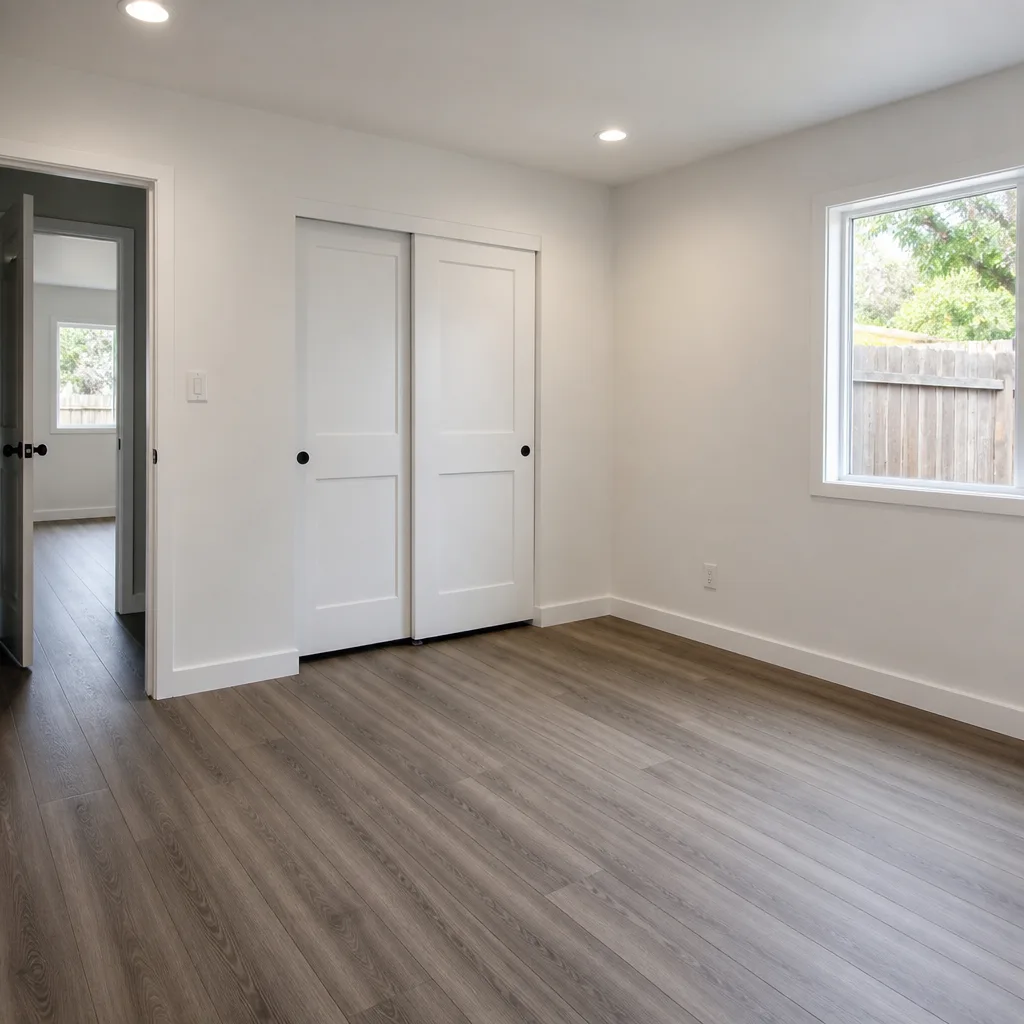 After
After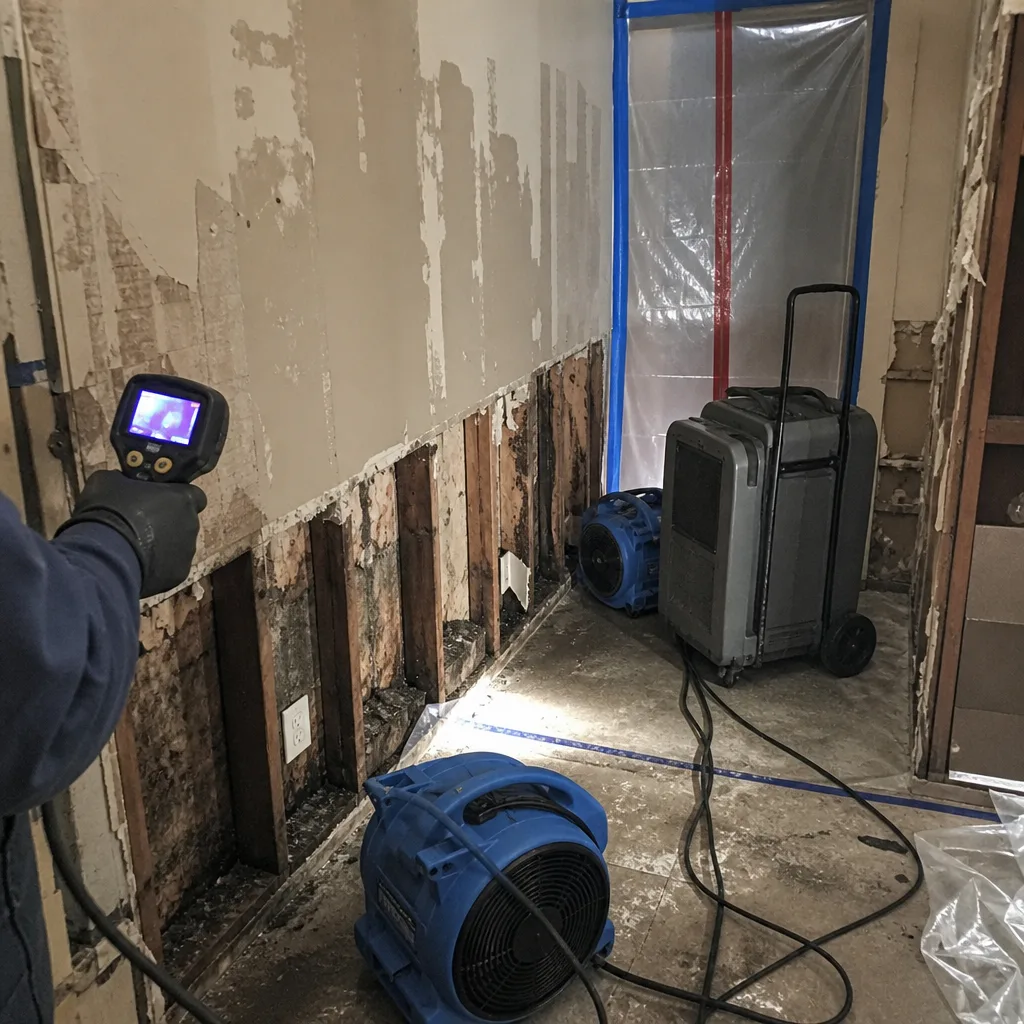 Before
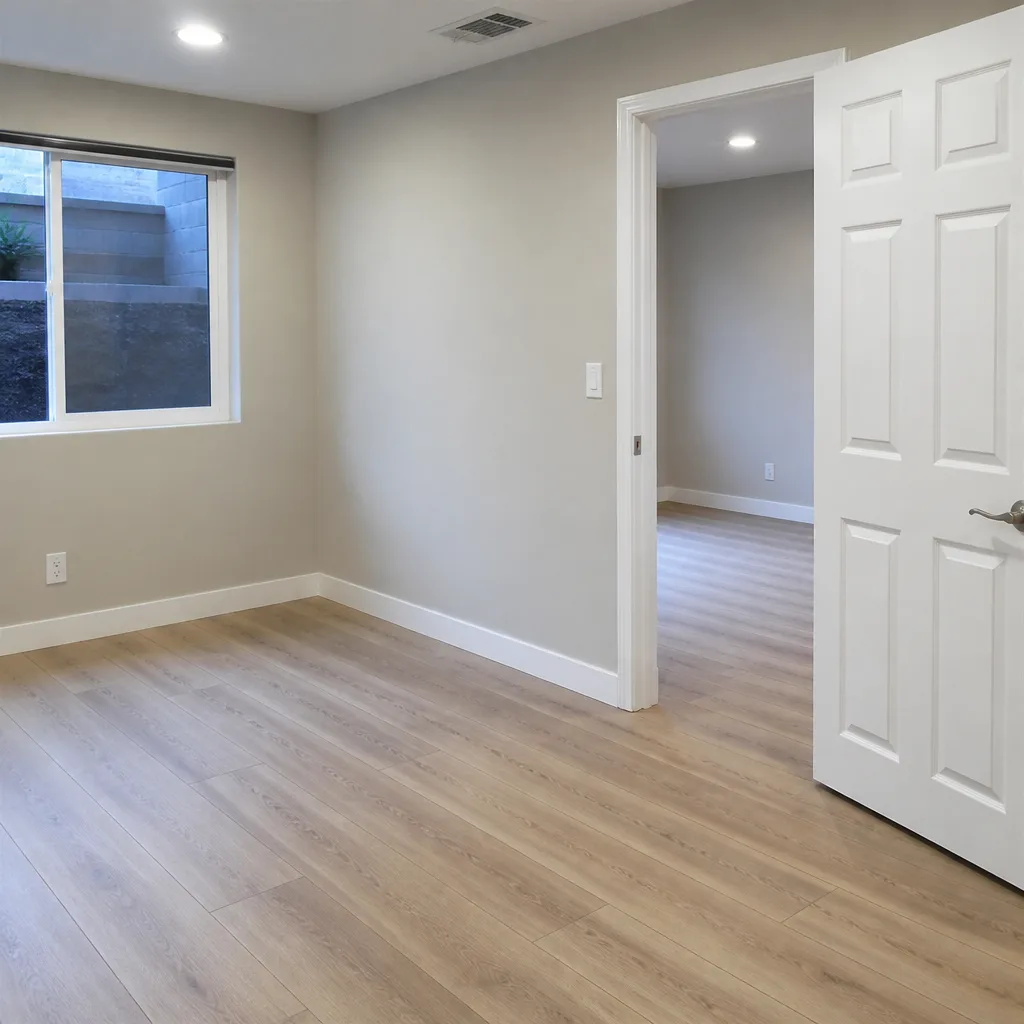 After
After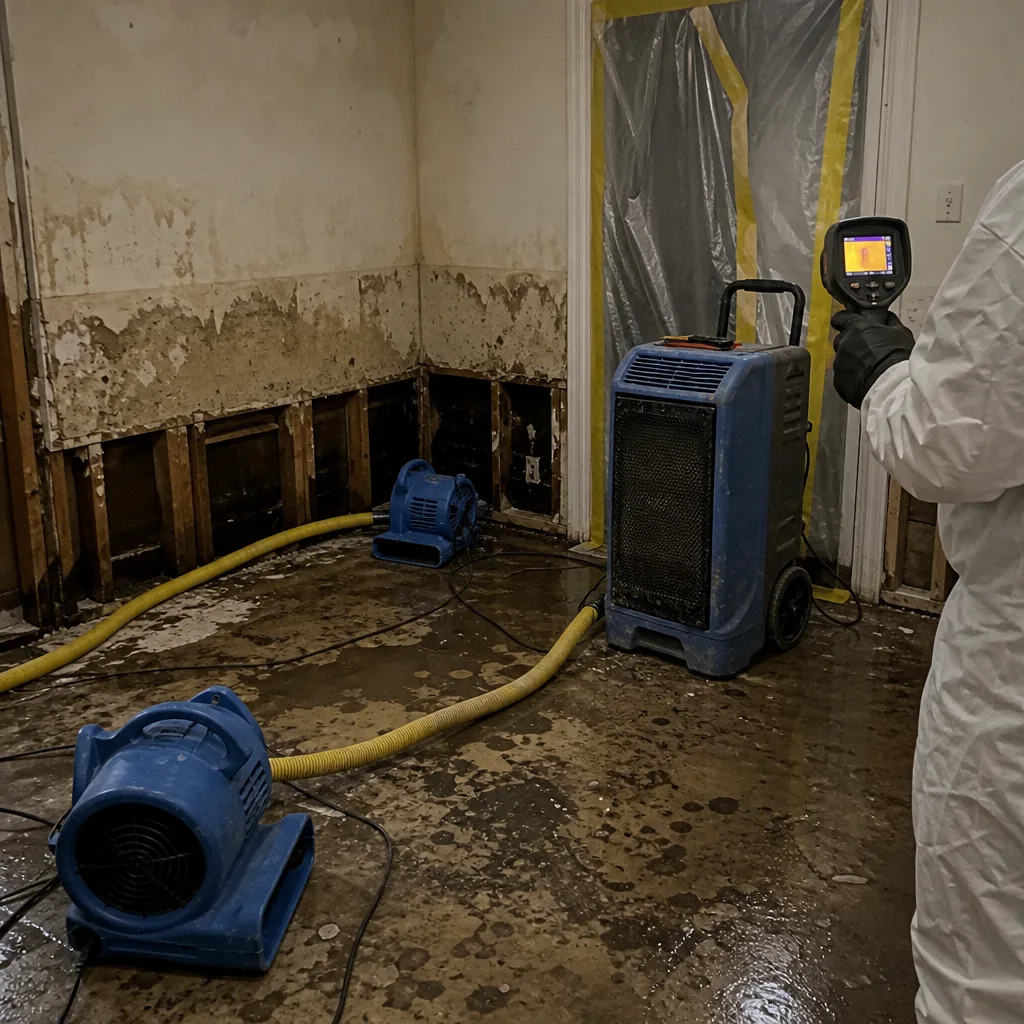 Before
 After
After