
Last updated October 16, 2026
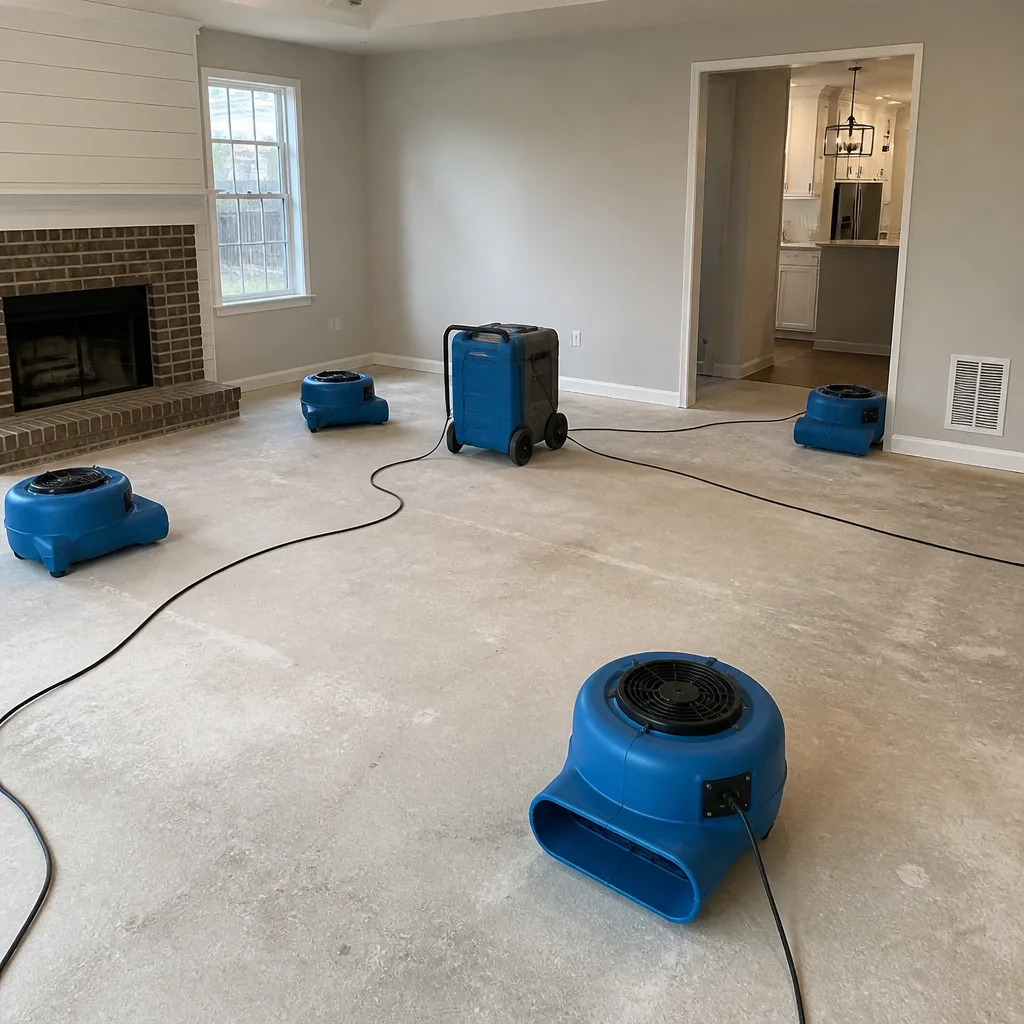 Water damage drying
 Fire & smoke cleanup
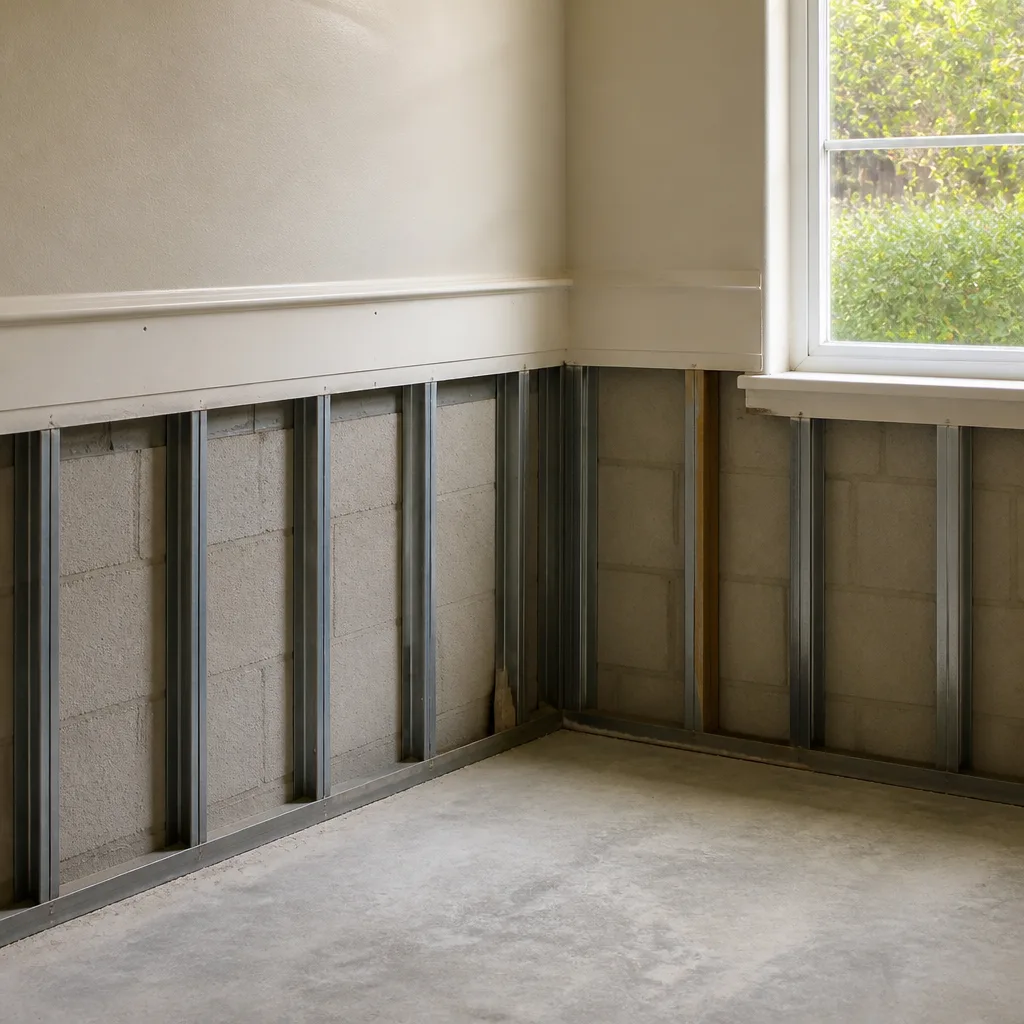 Mold remediation
 Storm response
 Sewage cleanup
 Reconstruction
Free visual inspection and a written scope of work before any mitigation begins - photos, moisture readings, and drying logs go in your claim file
The scope we write is the scope we bill. Anything new gets shown to you, in writing, before we touch it.
Get your free estimateThe Complete Guide to Damage Restoration in Orange County
A water heater failure in a Tustin townhome can generate enough moisture to start mold growth in 48 hours, yet the average Orange County homeowner waits three to five days before calling a restoration company because they don’t know what a restoration company actually does. That delay turns a $3,000 drying job into a $15,000 mold remediation and rebuild. This guide closes that knowledge gap before you need it, walking through what restoration actually covers, what it costs in Orange County’s coastal-humid climate, how insurance fits in, and the sequence of events from first call to final inspection. For Damage Restoration Cost Breakdown: The Orange County Homeowner’s Reference for 2026, see our dedicated breakdown.
Quick Answer
Damage restoration in Orange County is the process of stabilizing a home after water, fire, or mold damage, drying the structure to prevent secondary damage like rot and mold, cleaning affected materials, and returning the home to its pre-loss condition. It differs from general contracting because restoration companies handle emergency mitigation, moisture science, and insurance documentation, not just cosmetic repairs. Before starting work, check Damage Restoration Permits, Codes & Inspections in CA: What You Need to Know to understand regulatory requirements. Costs in Orange County typically range from $1,800 to $8,500 for water damage, $2,000 to $12,000 for mold remediation, and $4,000 to $40,000 for fire damage restoration depending on square footage and severity.
Restoration work we handle
Table of Contents
- What ‘Restoration’ Actually Covers vs. What a General Contractor Handles
- The Real Sequence of Events: First Call to Final Inspection
- Orange County-Specific Factors That Change Restoration Scope
- How Insurance Adjusters and Restoration Crews Interact
- What a Written Estimate Should Contain Before Any Work Starts
- What Damage Restoration Costs in Orange County
- Equipment and Standards: What Actually Gets Used on the Job
- How to Choose a Restoration Company in Orange County
What ‘Restoration’ Actually Covers vs. What a General Contractor Handles
Restoration companies stop the damage from spreading. General contractors rebuild what was lost. The confusion between these two roles costs Orange County homeowners real money every year because they hire the wrong type of company at the wrong phase, and then pay twice when the first fix fails.
A damage restoration company handles the urgent, science-driven phase. That includes water extraction, structural drying, dehumidification, mold containment and removal, smoke and soot cleaning, content cleaning, odor neutralization, and antimicrobial treatments. These tasks require specialized equipment like Injectidry floor-drying systems that pull water from beneath hardwood and tile without tearing it out, plus moisture meters and thermal imaging cameras that find hidden water inside walls before you can smell it. The goal in this phase is simple: stop the damage, dry the structure, and prevent mold from establishing itself.
A general contractor handles the reconstruction phase after drying is complete. They install new drywall, replace cabinets, lay flooring, paint, and handle finish carpentry. Many general contractors are excellent at this work and honest about their scope. But some will tell a homeowner they can handle the whole job from start to finish, and that is where problems begin. A contractor without restoration training and professional drying equipment will often close up walls before the stud cavities are actually dry, which leads to mold growth inside closed walls six months later.
The practical rule is this: if there is standing water, active mold, smoke residue, or sewage, call a restoration company first. If your home is dry, clean, and structurally sound, a general contractor can handle the rebuild. Mixing those roles up is the single most expensive mistake homeowners make after a water or fire event. We have been called into Orange County homes where a contractor tore out drywall, sprayed bleach on the framing, and closed everything up within four days, only for mold to bloom inside the wall cavity by the following spring.
The Real Sequence of Events: First Call to Final Inspection
If you have never been through a restoration, the process feels chaotic because it moves fast. Here is the honest sequence, with time estimates that reflect what we actually see in Orange County’s coastal-humid climate between Huntington Beach and San Clemente, where relative humidity regularly sits between 60 and 75 percent, and drying takes longer than it does inland. Not sure whether you need help yet? Review Damage Restoration Warning Signs: A Orange County Homeowner’s Reference Guide.
- First call and triage (minutes 0 to 30). A good restoration company asks about the water source, whether it is still active, what materials are affected, and whether you have already contacted your insurance carrier. You should get an arrival window during this call, not a vague “we’ll be out sometime today.”
- On-site assessment (hours 1 to 4). Technicians arrive, locate the water source and stop it if possible, map the affected area, and take moisture readings with probes and infrared cameras. This is where the scope starts to take shape. Expect the assessment to take one to two hours for a typical two-bathroom water event, longer for a whole-floor flood or a fire.
- Written scope and price (same day, usually within 2 to 3 hours of the assessment). You should receive a written estimate that itemizes what will be done, what equipment will be used, how many days drying is expected to run, and the total price. If a company won’t put the number in writing before work starts, walk away. This is non-negotiable, and it is a core part of the way we operate at Dryden Restoration Orange County home.
- Mitigation begins (day 1). Water extraction, removal of unsalvageable materials, and equipment placement. Air movers and dehumidifiers go in same day. For a Category 1 clean-water event, the drying phase in Orange County typically runs three to five days. For a Category 3 sewage event, expect longer because affected materials must be removed, not dried.
- Monitoring (days 2 to 5). Technicians return daily or every other day to take updated moisture readings and reposition equipment. This is where psychrometric drying matters. That term simply means using temperature, humidity, and airflow measurements to dry materials at the fastest safe rate, which prevents warping and secondary mold.
- Final moisture verification (day 3 to 6). Drying is only complete when readings show the affected materials have returned to their dry standard. Drywall in an Orange County home typically carries a moisture content baseline of 5 to 12 percent. If readings are still high, drying continues.
- Cleaning and content restoration (overlaps with monitoring). Soft goods, furniture, clothing, and hard surfaces are cleaned, sanitized, and deodorized. In fire damage jobs, this phase includes soot removal and ozone or hydroxyl treatment for smoke odor.
- Final inspection and guarantee documentation (final day). You receive a closing report with before and after documentation, moisture readings, and your written 365-day guarantee on covered repairs.
The entire timeline for a clean-water event in a 1,500 square foot Orange County home is usually five to ten days from first call to final sign-off. Fire restoration runs two to six weeks depending on severity. Mold remediation typically runs three to seven days for a contained area. Anyone who promises a one-day full restoration is cutting corners, and you will pay for it later.
Orange County-Specific Factors That Change Restoration Scope
Orange County is not one climate. Coastal cities like Newport Beach and Laguna Beach deal with marine layer humidity that slows drying and encourages mold. Inland cities like Anaheim and Orange run hotter and drier but still carry the legacy of older plumbing systems in homes built during the post-war boom of the 1950s and 1960s. Those factors directly change what a restoration crew has to do.
Slab foundations. Most homes in Anaheim, Santa Ana, Garden Grove, and Fullerton sit on concrete slab foundations. When a supply line leaks inside a slab, water travels up through cracks and wicks into drywall, baseboards, and flooring from below. You cannot see the water source, and standard drying equipment placed in the room will not reach the moisture trapped in the slab. This type of job often requires XPOWER air movers placed strategically to create cross-ventilation under flooring, plus specialized mat drying systems, and sometimes controlled demolition of the slab section to access the pipe. A slab leak restoration routinely costs more and takes longer than an above-grade leak because of this access problem.
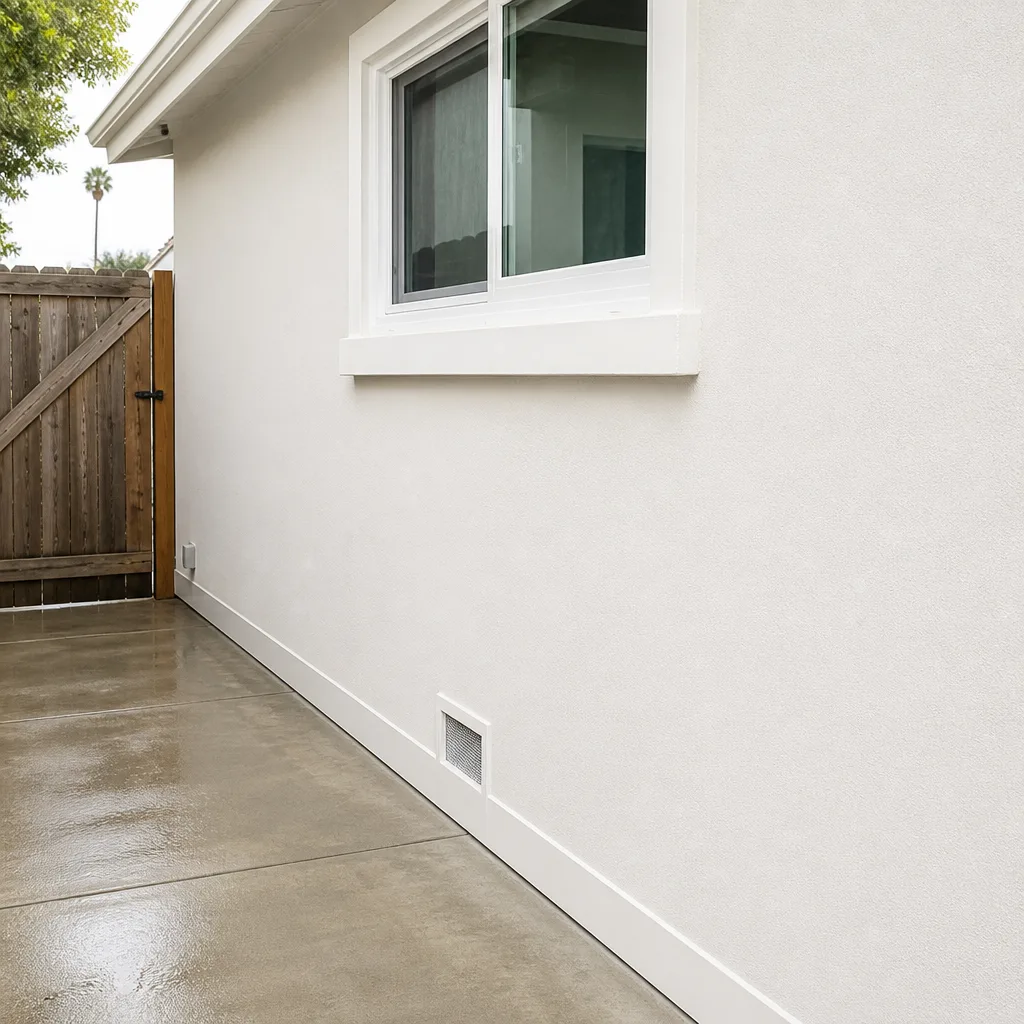
Stucco exteriors. Stucco is common across Orange County, and it holds moisture differently than siding. When rain-driven moisture or a roof leak saturates a stucco wall assembly, the water often collects between the stucco and the framing, creating a hidden pocket where mold grows undetected. Drying a stucco wall properly means drilling small access ports and forcing dry air into the cavity, a technique called positive-pressure wall drying. It is slower than drying an open stud bay and requires daily monitoring.
Older plumbing infrastructure. Cities like Santa Ana and Anaheim have thousands of homes built between 1950 and 1980 with galvanized steel supply lines. These pipes corrode from the inside and fail suddenly, often at the fittings inside walls. When that happens, the water has been leaking slowly behind the wall for weeks or months before the visible damage appears, which means mold remediation and structural drying enter the picture alongside the plumbing repair. This is a different scope than a sudden supply-line burst in a newer Irvine or Mission Viejo home where the leak is immediate and visible.
Coastal humidity and drying times. Relative humidity in Huntington Beach, Costa Mesa, and Newport Beach regularly exceeds 70 percent in the morning hours. Drying equipment works against that ambient moisture. A job that dries in three days in Riverside may take five or six days on the Orange County coast. That is not a sign of poor work, it is physics, and a restoration company that pretends otherwise is overpromising.
How Insurance Adjusters and Restoration Crews Interact
When you file a water or fire damage claim, your insurance carrier assigns an adjuster to evaluate the loss and determine what the policy covers. The restoration company documents the damage, performs the mitigation and repairs, and provides the adjuster with evidence, photos, moisture readings, and itemized scope documents. The two parties work on your behalf, but their incentives are not identical, and you should not hand the entire process to either one.
The adjuster’s job is to settle your claim within the terms of your policy. The restoration company’s job is to restore your home and get paid for the work. Most of the time those align, but gaps happen. An adjuster may not approve drying equipment for a wall cavity they have not seen opened. A restoration crew may not fully document a pre-existing condition that affects coverage. The homeowner who stays informed and asks for written documentation from both parties is the one who gets the fairest outcome.
Here is what you should never leave entirely to either party:
- Photo documentation before anything moves. Every affected room should be photographed from multiple angles before extraction, demolition, or cleaning begins. Your restoration company should do this as standard practice. Ask to see the photos and keep copies.
- Direct communication with your adjuster. Your restoration company can and should coordinate with your adjuster directly, but you should be copied on the scope documents and updated on any coverage decisions. Adjusters change mid-claim more often than most homeowners expect.
- The written scope and price. Never agree to work based on a verbal “insurance will cover it.” Get the restoration company’s written estimate, review it, and confirm in writing what your carrier has approved before work proceeds. This protects you from surprise denials later.
- Change orders during the job. If the restoration crew opens a wall and finds additional damage, that is a change in scope. It should be documented in writing and approved by you and your adjuster before the extra work proceeds, not discovered on the final invoice.
In our experience handling Water Damage Restoration in Orange County, the homeowners who fare best are the ones who treat their restoration company and their adjuster as two separate professionals with overlapping but distinct responsibilities, and who insist on written documentation from both.
What a Written Estimate Should Contain Before Any Work Starts
Most restoration estimates are vague. They list generic line items like “drying services” or “mold cleanup” without specifying what equipment, how many days, what materials, or what the guarantee covers. A vague estimate protects the contractor and exposes you to price creep. Here is what a written estimate should actually contain in Orange County:
- Exact scope line items. Room-by-room breakdown of affected areas, square footage, and materials to be removed or treated.
- Specific equipment and quantities. How many air movers, dehumidifiers, and specialty drying systems, and for how many days. Dri-Eaz dehumidifiers or Phoenix air movers should be named, not just “drying equipment.”
- Drying plan and expected duration. The number of monitoring visits and the target moisture content for affected materials.
- Labor rates and materials pricing. Rates should be transparent, and materials should be itemized, not lumped into a single “materials” number.
- Written guarantee terms. What is covered, for how long, and what triggers the free return visit.
- Payment terms and schedule. When payments are due and what happens if the scope changes.
- Insurance coordination. Whether the estimate is being submitted to your carrier and how change orders will be handled.
At Dryden Restoration Orange County, every estimate includes a written price before any work starts. The number does not change at the door. That is a core part of the Kingswell Way values we operate under: say the price before the work, show up in the window we gave, leave the place cleaner than we found it, put the guarantee in writing, and come back if it fails.
What Damage Restoration Costs in Orange County
Here is what we see across Orange County for typical restoration jobs in 2025. These are real ranges, not lowball teaser prices, and they reflect the local market from Anaheim to Laguna Niguel.
- Small water event (single room, clean water, no mold): $1,800 to $3,200
- Medium water event (two rooms or a bathroom plus hallway, clean water): $3,200 to $6,500
- Large water event (entire floor, kitchen plus living area, or slab leak involvement): $6,500 to $12,000
- Mold remediation (contained area, no structural rebuild): $2,000 to $6,500
- Mold remediation (multiple rooms or behind stucco walls): $6,500 to $12,000
- Fire damage restoration (smoke and soot cleaning, no structural rebuild): $4,000 to $14,000
- Fire damage restoration (full kitchen or significant structural work): $14,000 to $40,000+
These ranges assume a typical 1,200 to 2,000 square foot home and insurance-approved pricing. Every job is different, and the only way to get an exact number is a written assessment. But you should expect transparency, and you should be suspicious of any company that will not give you a written price before touching your home. Free estimates are standard in the industry, and we offer the same for Mold Remediation in Orange County and fire damage work.
Equipment and Standards: What Actually Gets Used on the Job
The difference between a restoration company that dries your home properly and one that just fans the floors comes down to equipment and training. The machines have specific jobs, and knowing a few names helps you evaluate whether a company is using professional-grade tools or consumer fans from a hardware store.
- Dri-Eaz dehumidifiers pull moisture from the air and condense it for removal. These are the workhorses of structural drying and are used on nearly every water damage job we run.
- Phoenix air movers create high-velocity airflow across wet surfaces to accelerate evaporation. The number and placement of air movers are calculated based on square footage, not guessed at.
- XPOWER air scrubbers filter contaminated air through HEPA filtration during mold remediation and sewage jobs to prevent cross-contamination of clean areas.
- B-Air products provide auxiliary airflow and drying power in tight crawl spaces and closets where standard equipment is too bulky.
- Injectidry systems force dry air beneath hardwood flooring, tile, and cabinetry to dry the subfloor without demolition. This system regularly saves Orange County homeowners thousands of dollars in flooring replacement costs.
These machines are only as effective as the person operating them. Our technicians are trained to IICRC standards, which is the Institute of Inspection, Cleaning and Restoration Certification, the industry’s recognized benchmark for water damage, mold, and fire restoration procedures. That training governs how we set up drying chambers, measure moisture, contain mold, and document everything for insurance. When you hire a company, ask what certification body their technicians are trained under. If they cannot answer, you have learned something useful.
How to Choose a Restoration Company in Orange County
Most Orange County homeowners call the first restoration company that answers the phone, usually because water is spreading and the clock is running. That is understandable but risky. Here are the specific, verifiable things to check before you commit, even in an emergency:
- Ask for a written price before work starts. If the answer is anything other than yes, keep looking. This is the single best protection against door-step price increases.
- Ask what equipment they will use. A legitimate restoration company can name the dehumidifiers and air movers they will bring. Vague answers mean consumer-grade fans and slow drying.
- Ask about their guarantee in writing. Verbal guarantees are worth nothing. Our 365-Day Done Right Promise is documented on every job: if a covered repair fails within a full year, we return and correct it at no charge. Ask any vendor to write theirs down.
- Ask who will actually enter your home. You deserve to know that the technicians are background-checked and arrive in company uniform, so you never have to guess who is in your house.
- Ask about insurance coordination. A company that refuses to coordinate with your adjuster or dodges documentation questions is a red flag.
We have served Orange County homeowners since 2005 as an independently owned and operated Kingswell company, and we have seen what happens when the wrong company gets the call. The right company answers the phone with a live person, gives you a written price, shows up in the window promised, and guarantees the repair in writing. Ask for those things up front, and you will filter out most of the problems before they start.
Common Mistakes to Avoid
- Waiting to call because you are not sure if the damage is serious. If water is present in any quantity, mold can begin forming within 48 hours in Orange County’s humid climate. Call immediately. Waiting to see if it dries on its own extends the damage and the cost.
- Using a shop vac and box fans instead of professional drying equipment. Consumer equipment cannot pull moisture from wall cavities, subfloors, or stucco assemblies. Surface drying leaves hidden moisture that becomes mold.
- Accepting a verbal quote and then being surprised at the door. A written price before work starts is standard for reputable companies. If it is not in writing, it does not exist.
- Letting a general contractor handle water or mold without restoration certification. A licensed contractor may be excellent at rebuild work, but without restoration training and equipment, they will close up wet walls and create a bigger problem.
- Not documenting everything for insurance before cleanup begins. Once materials are removed and walls are opened, evidence is gone. Photo-document everything before work starts, and keep copies.
- Choosing a company based on price alone. The cheapest restoration bid in Orange County is often cheap because it skips monitoring days, uses too few air movers, or does not include mold prevention. You pay at the back end when the repair fails.
See the difference
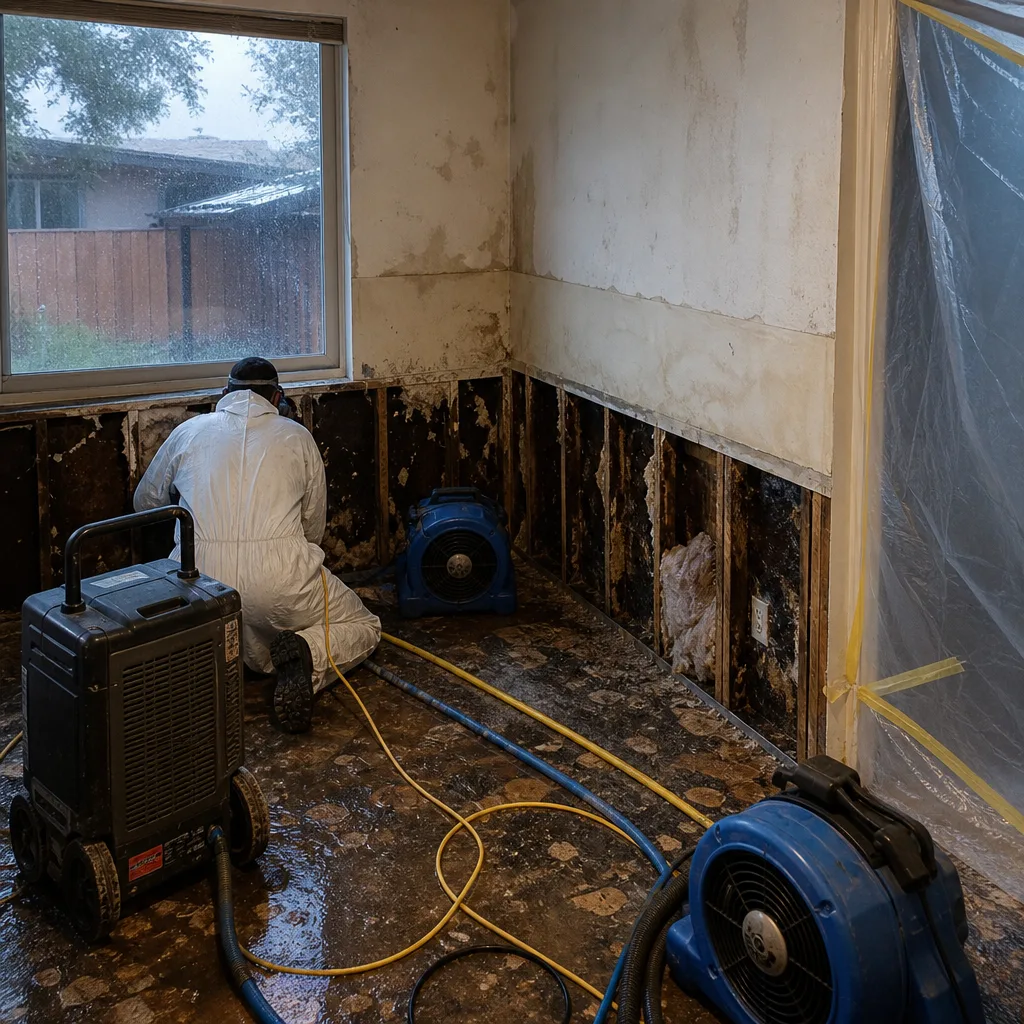 Before
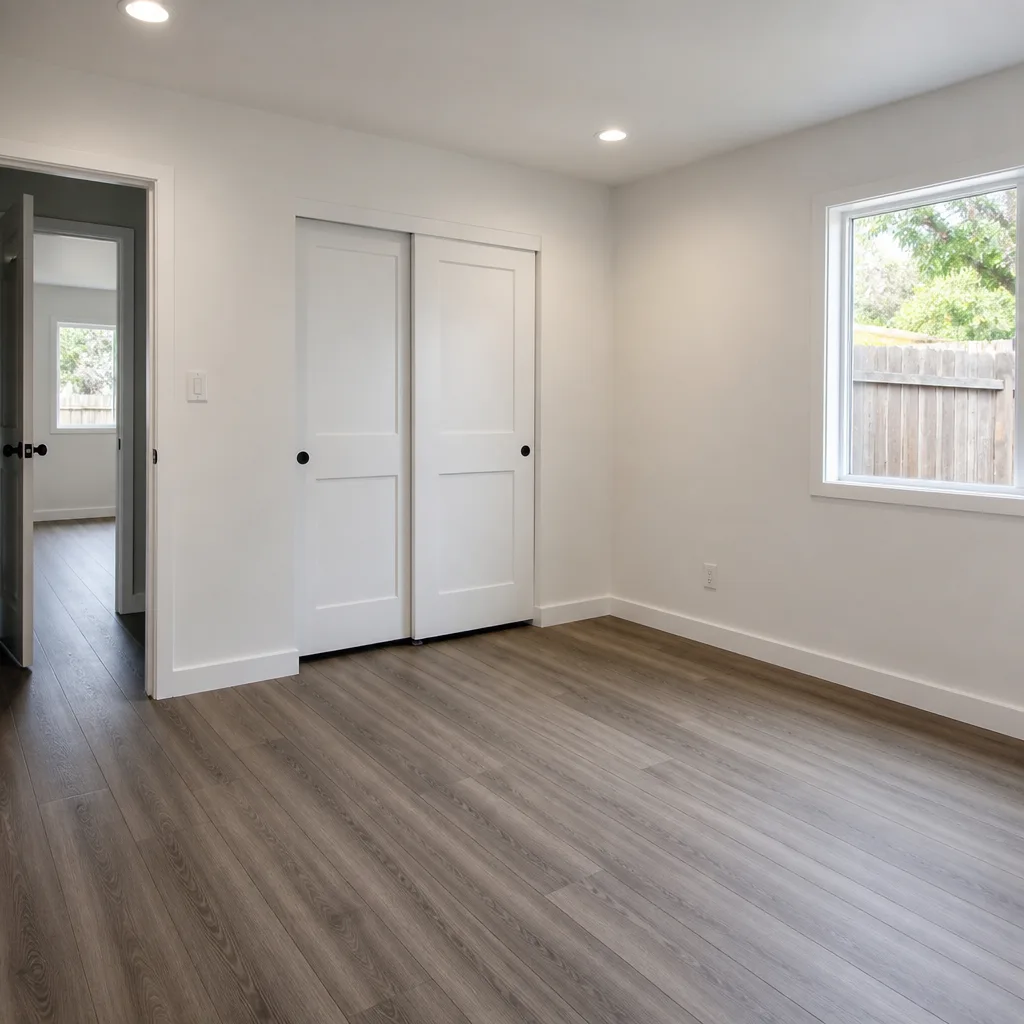 After
After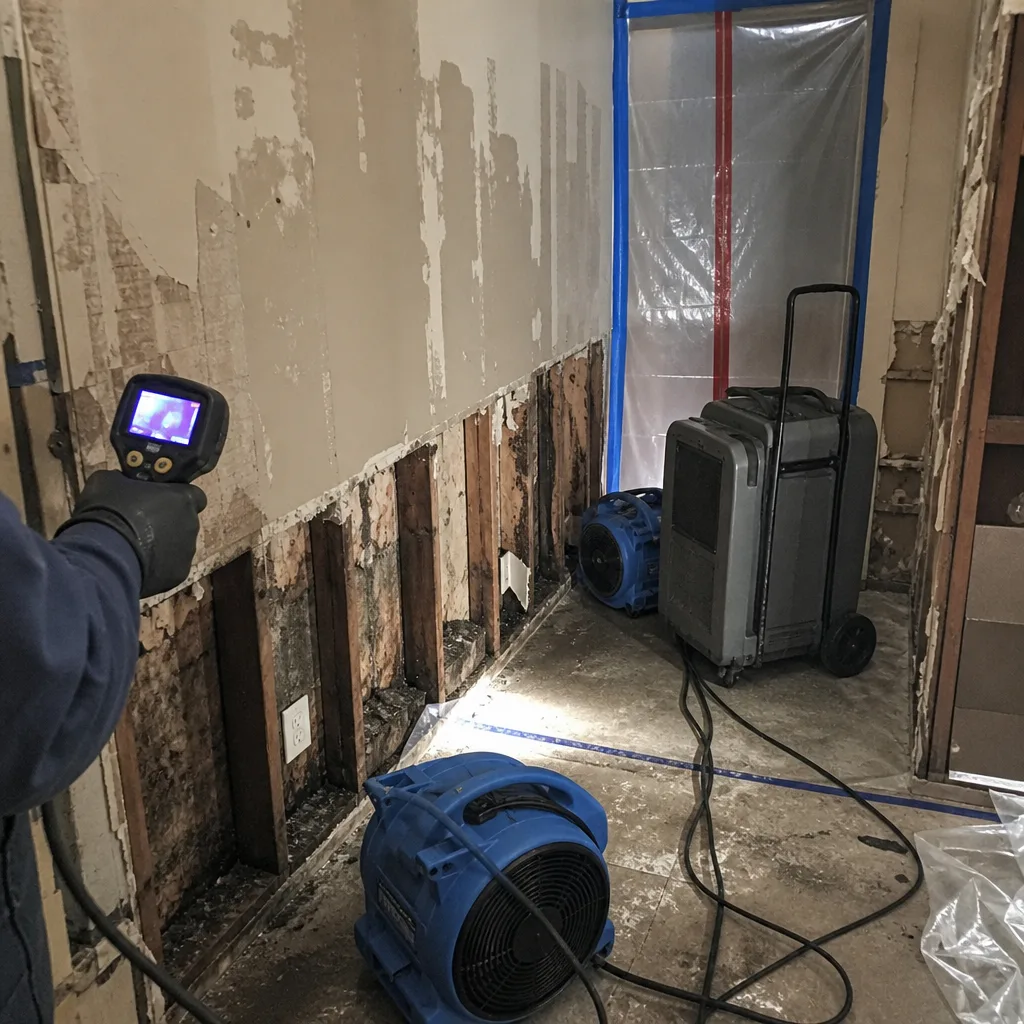 Before
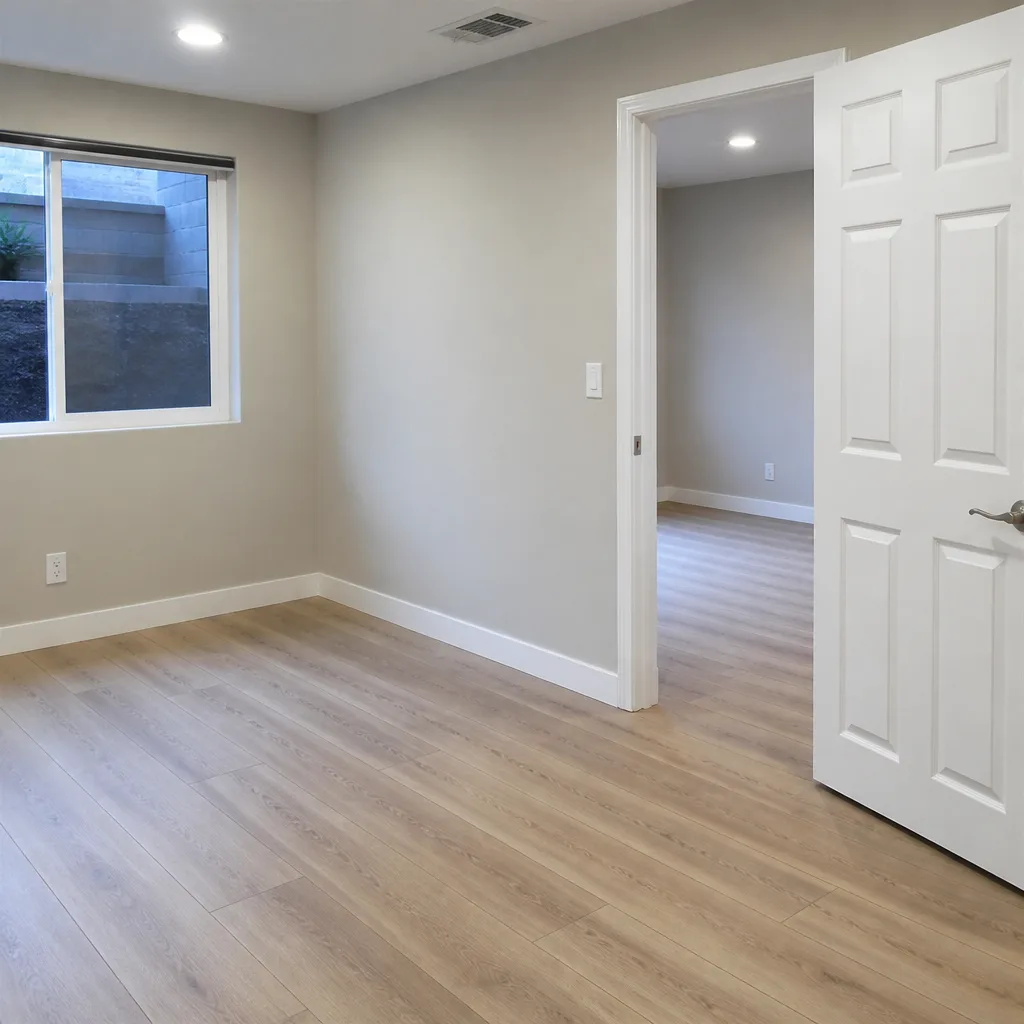 After
After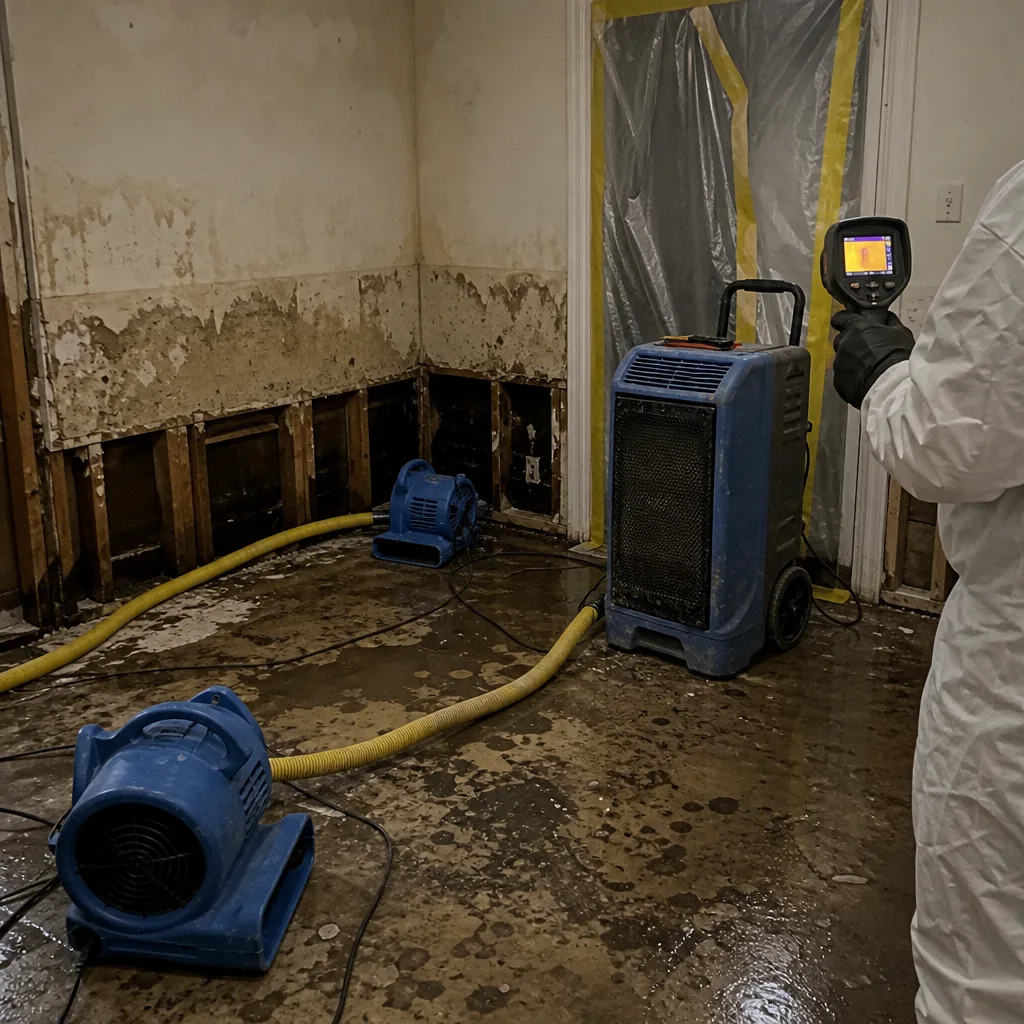 Before
 After
AfterWhen to Call a Professional
Call a restoration company the moment you notice standing water, visible mold, a sewage backup, or smoke and soot damage. If you can smell mustiness but cannot see the source, call anyway. If water has touched drywall or flooring and been present for more than a few hours, call. If your insurance carrier has asked you to obtain a restoration estimate, call. Dryden Restoration Orange County offers free estimates throughout Orange County, from Fullerton to San Clemente, and a live person answers at (424) 552-4739 around the clock.
Frequently Asked Questions
Most clean-water events in Orange County take five to ten days from first call to final moisture verification, with drying typically running three to five days depending on the affected area and coastal humidity levels. Sewage events, slab leaks, and stucco wall saturation run longer. Call (424) 552-4739 for a written assessment with an expected timeline.
Coverage depends on your policy and the cause of the water. Sudden and accidental events like a burst supply line or an appliance failure are usually covered; gradual leaks and maintenance issues often are not. Your restoration company should coordinate directly with your adjuster and provide the documentation your carrier needs. We handle that coordination on every water and fire damage job.
Mitigation is the emergency phase: stopping the water source, extracting standing water, removing unsalvageable materials, and setting up drying equipment. Restoration is the follow-through: repairing and rebuilding the affected areas to pre-loss condition. Both are part of the full restoration process, and a reputable company handles both under one written scope.
For a contained area like a single bathroom or closet, you can usually stay in the home while remediation is performed, because containment barriers and negative air pressure prevent cross-contamination. For large-scale remediation affecting multiple rooms or HVAC systems, temporary relocation may be advisable. Your remediation company should explain the containment plan before work starts.
Standard mold remediation in Orange County ranges from $2,000 to $12,000 depending on the affected square footage, whether the mold is behind stucco walls, and whether structural materials need replacement. Get a written estimate that itemizes the containment, removal, cleaning, and post-remediation verification before work begins. We provide that for every mold job.
A live person answers our phones 24 hours a day, 7 days a week, and we provide a committed arrival window during the first call. For active water events, we work to have a technician on site within hours, not days. Delays in Orange County’s humidity directly increase drying time and mold risk, so speed in the mitigation phase genuinely matters. Call (424) 552-4739 any time, day or night.
The Bottom Line
Damage restoration in Orange County moves fast because the climate demands it. The homeowners who come out ahead are the ones who understand what restoration covers, what it costs, what belongs in a written estimate, and how insurance fits into the process before the emergency happens. Ask for a written price, check the equipment and credentials, insist on a written guarantee, and never let anyone into your home without knowing exactly who they are. If you are dealing with water, mold, or smoke damage right now, call Dryden Restoration Orange County at (424) 552-4739 for a free estimate. A live person answers, and you will get a written price before any work starts. For more detailed information on our specific services, see our Fire Damage Restoration in Orange County guide as well.
Written by Carl Brandt, Owner at Dryden Restoration Orange County, serving Orange County since 2005. Browse our more guides & resources for additional homeowner references.