
Last updated October 16, 2026
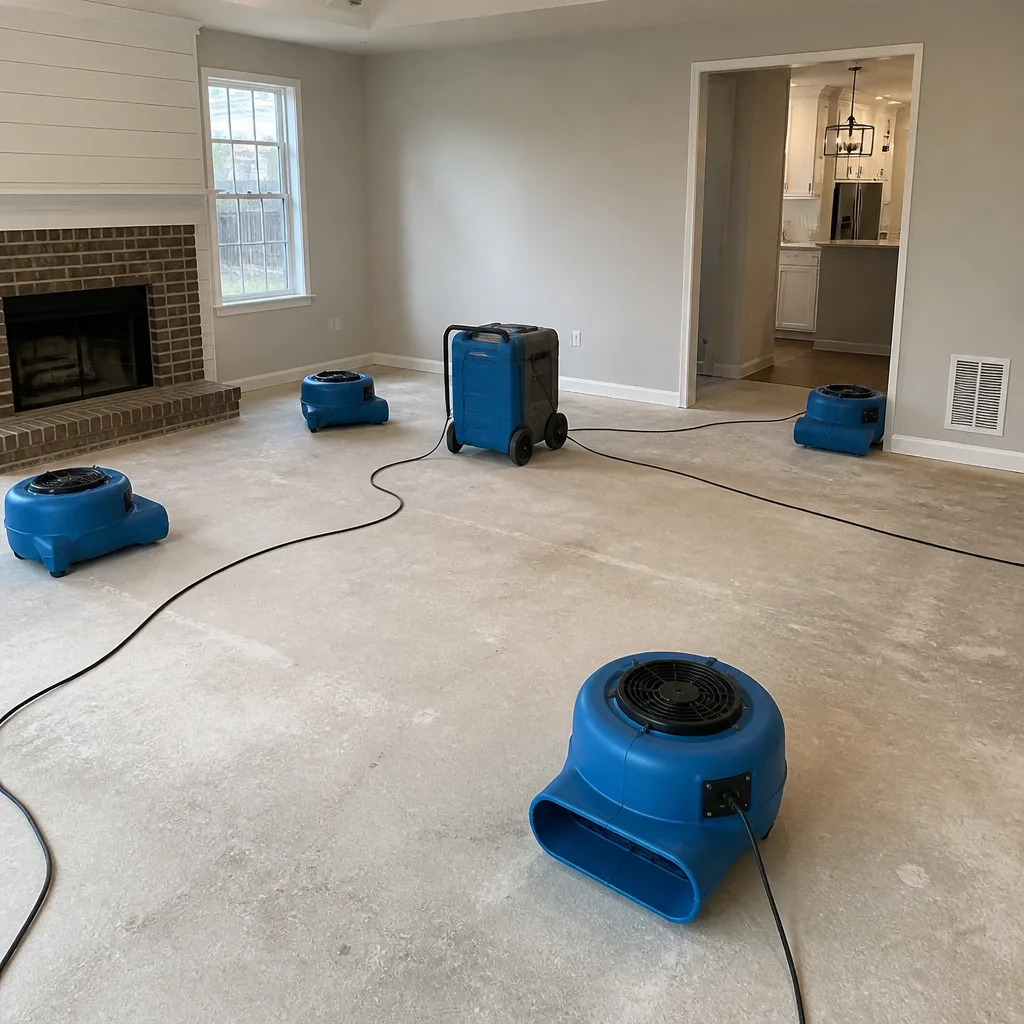 Water damage drying
 Fire & smoke cleanup
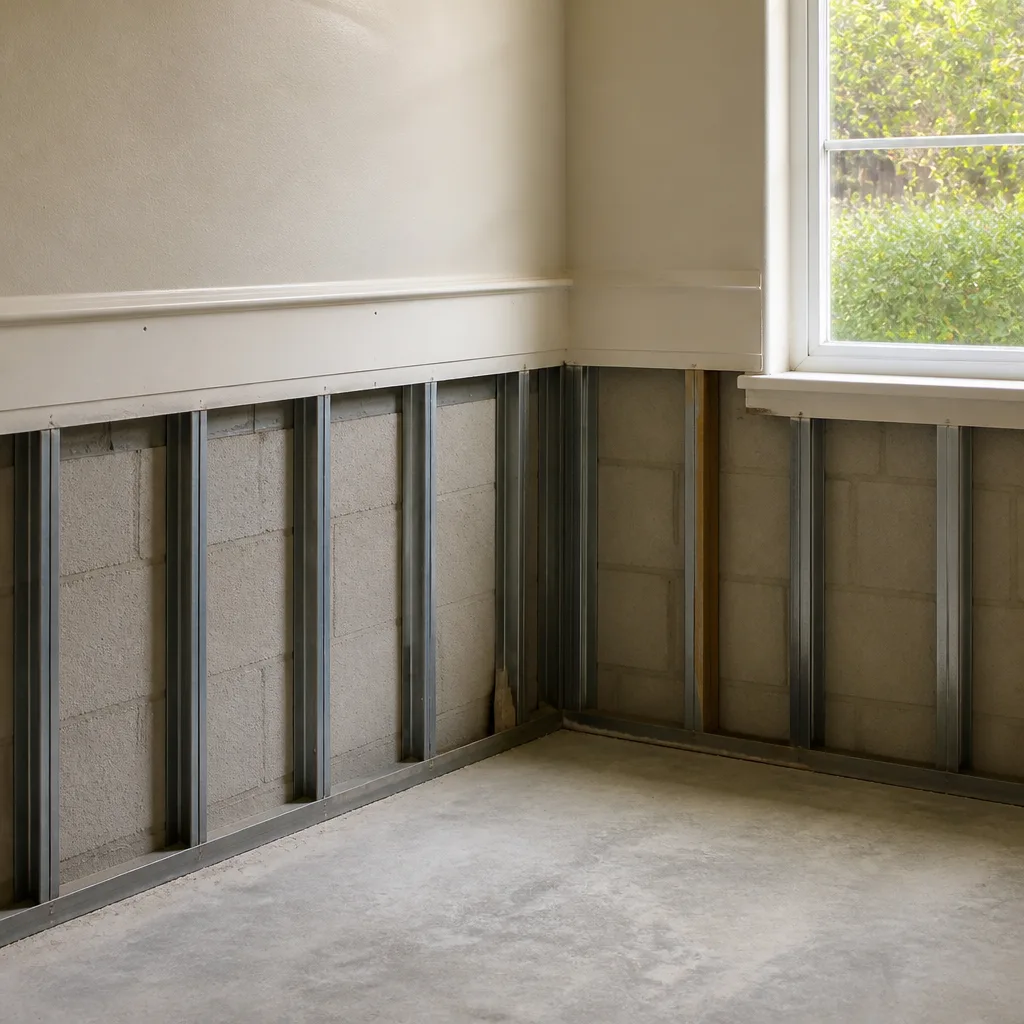 Mold remediation
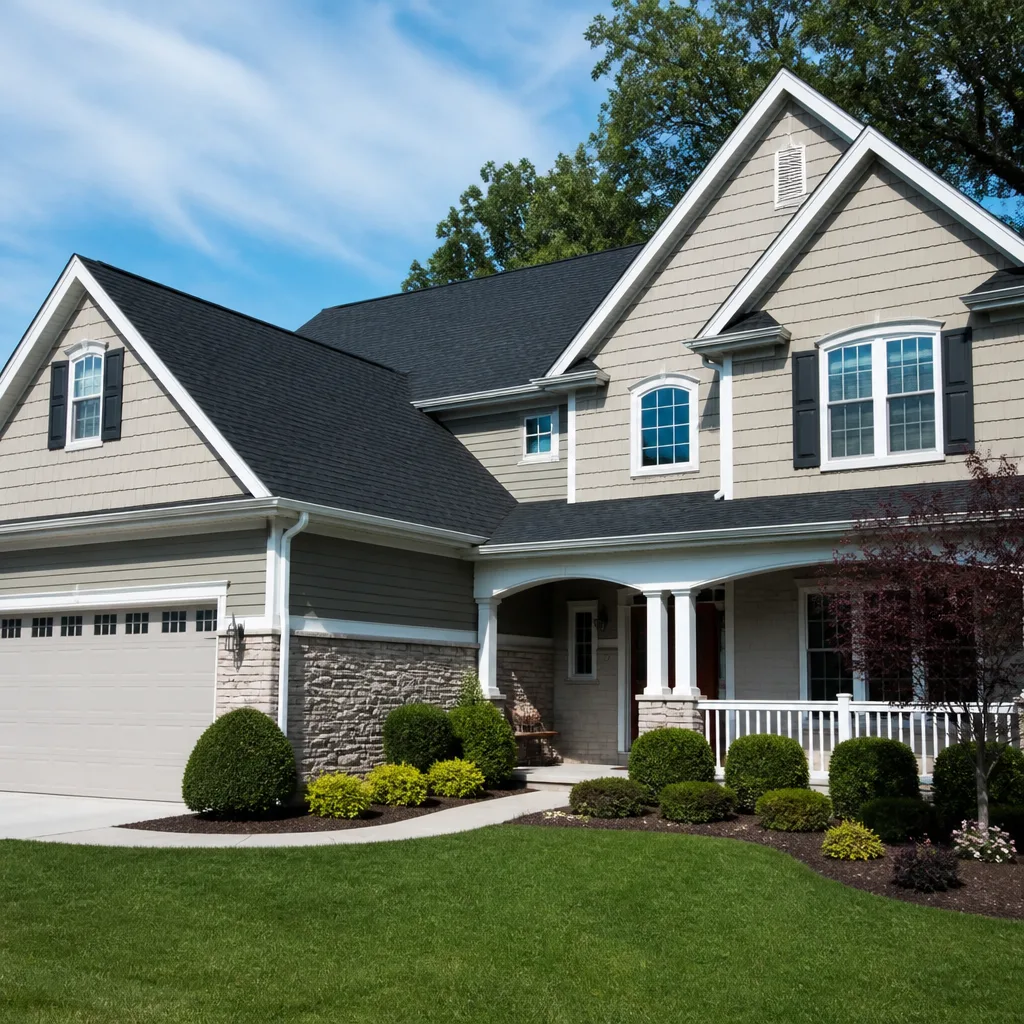 Storm response
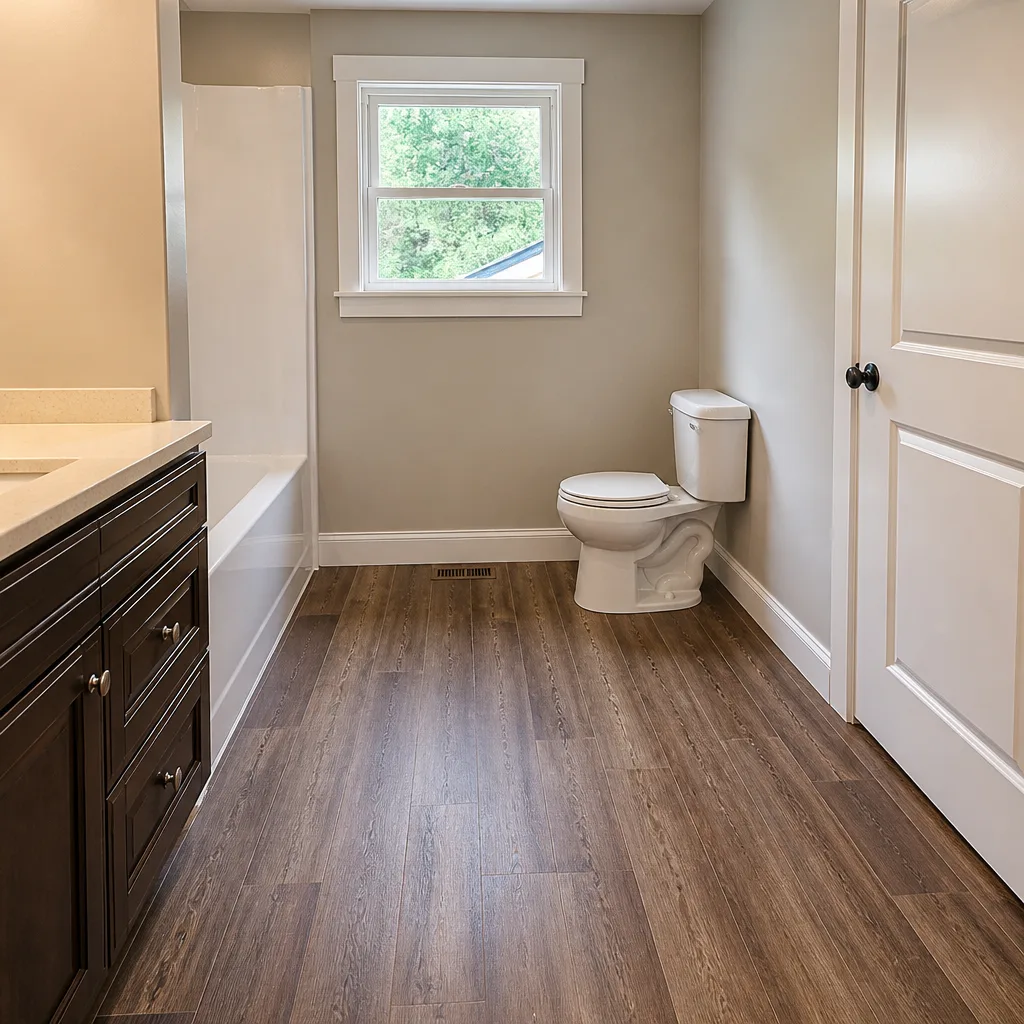 Sewage cleanup
 Reconstruction
Free visual inspection and a written scope of work before any mitigation begins - photos, moisture readings, and drying logs go in your claim file
The scope we write is the scope we bill. Anything new gets shown to you, in writing, before we touch it.
Get your free estimateDamage Restoration Cost Breakdown: The Orange County Homeowner’s Reference for 2026
In 2025, a Yorba Linda homeowner collected three bids for the same water damage restoration job after a supply line let go in an upstairs bathroom. The numbers came back $4,100, $7,800, and $11,400. All three were from licensed, insured contractors. She picked the lowest. By the time the job actually finished, change orders had added $3,200, the work had stretched three extra weeks, and the total landed barely below the middle bid minus the guarantee and the supervision that bid included. That spread of over $7,000 on identical scope isn’t an anomaly in Orange County. It’s the market. This guide exists because most homeowners have no framework for judging whether a restoration estimate is reasonable, so they default to the cheapest number and pay for it later. For Damage Restoration Warning Signs: A Orange County Homeowner’s Reference Guide, see our companion resource. We’ll show you real 2026 price ranges for common Orange County restoration jobs, what actually drives those numbers up or down, and how to read an estimate the way a competent adjuster would.
Restoration work we handle
Quick Answer
Water damage restoration in Orange County typically costs between $3,500 and $12,000 for a single-room Category 1 loss in 2026, mold remediation runs $2,200 to $8,500 for partial projects, and post-fire smoke cleaning averages $4,800 to $16,000 depending on square footage and smoke severity. The variables that move the price most are the category of water, the number of affected rooms, the length of time materials stay wet before drying starts, and whether the job requires contents moving, permit fees, or post-remediation testing. A written line-item estimate with a no-change-order guarantee is the single strongest protection against the bid-spread nightmare described above. Before deciding, consider our DIY vs Professional Damage Restoration: The Orange County Homeowner’s Decision Guide.
Table of Contents
- What Water Damage Restoration Actually Costs in Orange County for 2026
- Mold Remediation Pricing: Honest Ranges for Orange County Homes
- Post-Fire and Smoke Damage Cleaning Costs
- The Daily Equipment Charges Almost Nobody Explains
- Why Orange County Jobs Cost More Than Inland Jobs
- How to Read an Insurance Scope of Loss and Cross-Check It Against an Estimate
- Hidden Cost Categories That Surface Mid-Job
- Common Mistakes to Avoid
- When to Call a Professional
- Frequently Asked Questions
- The Bottom Line
What Water Damage Restoration Actually Costs in Orange County for 2026
Water damage restoration pricing follows a predictable structure, but almost no one explains it to the homeowner before the bill arrives. The cost breaks into five components: emergency mitigation labor, daily equipment rental, demolition and disposal, drying monitoring, and reconstruction. A straightforward Category 1 water loss (clean water from a supply line or sink overflow) in a single bathroom in cities like Orange County’s Irvine, Mission Viejo, or Fullerton generally lands between $3,500 and $6,500 when caught within 24 hours. The same loss that sat over a weekend and wicked into adjacent bedroom carpet and baseboards moves into the $7,000 to $12,000 range. Category 2 water (gray water from a washing machine or dishwasher discharge with detergents) adds $1,000 to $2,500 more because affected carpet pad and baseboard insulation almost always require removal rather than drying. Category 3 water, the industry term for sewage or flood water, changes the job entirely: full containment, antimicrobial treatment, and more aggressive demolition typically push the total to $12,000 to $25,000 or more for a single affected bathroom and hallway.
Here’s the line-item reality for a typical Orange County single-bathroom Category 1 loss caught within 24 hours, based on jobs we’ve priced across the county in 2025 and what we’re seeing hold into 2026:
- Emergency extraction and mitigation labor: $600 to $1,200. This covers arriving within a named window, extracting standing water, removing wet pad and baseboard, and setting up initial drying equipment.
- Daily equipment rental (7 to 10 days average): $900 to $1,800. Four to six air movers at $35 to $50 per day each, two dehumidifiers at $75 to $110 per day each, and one HEPA air scrubber at $65 to $90 per day.
- Demo and disposal: $500 to $1,400. Cutting drywall to expose wall cavities, pulling wet insulation, hauling debris.
- Drying monitoring and documentation: $300 to $600. Daily psychrometric readings, moisture mapping, and photo documentation for adjusters.
- Reconstruction (drywall, paint, baseboard, flooring as applicable): $1,500 to $4,500. Variable based on finish level and materials.
These are honest Orange County ranges, not national averages. They assume a licensed contractor performing IICRC-standard work with professional-grade equipment. You’ll find lower bids, but those almost always come from outfits that skip the daily monitoring, run equipment three days then call it dry, and write estimates that exclude reconstruction entirely. For a deeper look at the process behind those numbers, see our detailed guide on Water Damage Restoration in Orange County.
Mold Remediation Pricing: Honest Ranges for Orange County Homes
Partial mold remediation in an Orange County home, meaning a single bathroom ceiling, a closet wall, or a section of baseboard with visible growth, typically runs $2,200 to $5,500 in 2026. A full-room remediation with containment, negative air pressure, and HEPA air scrubbing lands between $5,000 and $8,500. Whole-home mold issues, rare but real in older coastal-adjacent cities like Laguna Niguel, Dana Point, and San Clemente where marine-layer humidity pushes indoor relative humidity up for months at a stretch, can exceed $15,000. The indoor humidity reality matters more in Orange County than people expect. It’s not a humid climate the way Florida is, but coastal canyon neighborhoods and west-facing rooms with old single-pane windows create localized moisture conditions that mold absolutely exploits. The IICRC standard for mold remediation (S520) sets containment and engineering-control requirements, and doing that properly costs real money.
Here’s what a legitimate partial mold remediation estimate includes, and where the money goes:
- Containment and negative air setup: $700 to $1,400. Sealing the work area with poly sheeting and running a negative-air machine so spores don’t spread during removal.
- Removal of affected materials: $800 to $2,000. Cutting out drywall, insulation, or carpet pad with visible growth.
- HEPA air scrubbing and surface cleaning: $500 to $1,200. Running air scrubbers and cleaning surrounding surfaces with HEPA vacuuming and antimicrobial agents.
- Post-remediation clearance testing: $300 to $750. An independent assessment that air and surface spore counts have returned to normal background levels.
- Reconstruction: $1,000 to $3,500. Drywall, texture, paint, and baseboard replacement.
The clearance testing line item deserves attention. Some contractors skip it, which saves money but leaves the homeowner with no third-party verification that the job worked. Others bundle it into the total without labeling it, which makes it impossible to tell whether you paid for it. By the way, if you suspect mold but aren’t sure whether you’re looking at surface staining or genuine growth, our page on Mold Remediation in Orange County walks through identification and testing in more detail.
Post-Fire and Smoke Damage Cleaning Costs
Smoke damage cleaning in an Orange County home after a small kitchen fire or an attached-garage fire typically costs $4,800 to $16,000 in 2026. The number swings based on three things: whether the fire produced wet smoke (slow, smoldering, sticky residue) or dry smoke (fast-burning, powdery soot), the square footage requiring cleaning, and whether the home’s HVAC system circulated smoke through the ductwork. A 1,200-square-foot single-story home in Garden Grove or Westminster with smoke throughout but no structural fire damage usually falls in the $6,000 to $11,000 range. Add duct cleaning and sealing, and you’re at $12,000 to $16,000. Structural fire damage restoration, the actual rebuilding of a burned wall or ceiling section, is a separate scope that starts around $15,000 and runs up from there.
The costliest line items in smoke remediation are the ones people don’t anticipate:
- Contents cleaning: $1,500 to $4,000. Every item in an affected room, from dishes to books to drapery, must be wiped, HEPA-vacuumed, or sent to off-site cleaning. This is enormously labor-intensive.
- Ozone or thermal fogging treatment: $600 to $1,200. Neutralizing odor molecules rather than just masking them.
- Duct cleaning and HVAC filter replacement: $800 to $2,500. Smoke gets pulled through return vents and coats every interior surface of the system.
- Sealing and repainting of affected surfaces: $1,500 to $4,000. Soot penetrates paint. Kilz or a similar sealing primer is mandatory before repainting, or the stain and odor bleed back through.
For homeowners dealing with fire and smoke specifically, our Fire Damage Restoration in Orange County guide covers the full process from board-up through final cleaning.
The Daily Equipment Charges Almost Nobody Explains
This section is the most important financial disclosure in this entire guide, because almost no Orange County homeowner understands it before the invoice arrives. Restoration estimates bill equipment as a daily rental with estimated day counts. Air movers, dehumidifiers, HEPA air scrubbers, and specialty drying systems like Injectidry floor-drying mats all carry per-day rates, and the industry standard is to estimate 7 to 10 days of runtime. What that means in practice: a water damage estimate showing four air movers at $45 per day and one dehumidifier at $95 per day is billing $275 per day for equipment. Multiply by 10, and equipment rental alone is $2,750. Homeowners who don’t recognize this line-item structure often assume the equipment comes with the labor, and the sticker shock at the final invoice feels like a bait-and-switch. It isn’t, but it absolutely should have been explained up front.
Here’s the actual per-day rate structure for professional-grade drying equipment in Orange County as of 2026, using the same machines we run on our jobs:
- Air mover (Dri-Eaz or Phoenix models): $35 to $55 per day each. Most rooms need 3 to 6 units depending on affected square footage.
- LGR dehumidifier (low-grain refrigerant, Dri-Eaz or Phoenix): $75 to $115 per day. One unit typically covers 1,500 to 2,000 square feet of affected area.
- HEPA air scrubber (B-Air or XPOWER): $65 to $95 per day. Used during mold remediation, sewage cleanup, and post-fire particulate removal.
- Injectidry floor-drying system: $350 to $650 per day for a full setup. Used when water has wicked under hardwood or tile and the flooring is being saved rather than replaced.
Here’s the critical oversight tied to equipment billing: the daily monitoring visit. If a contractor runs equipment but doesn’t return daily to take moisture readings and adjust placement, the drying just takes longer and costs more. We monitor daily as part of the job, and we tell you the expected equipment days before we place the first unit. When you read an estimate, the equipment line items should show a per-day rate, an estimated day count, and a total. If the estimate just says “Drying Equipment: $2,200” with no breakdown, ask for one.
Why Orange County Jobs Cost More Than Inland Jobs
Restoration pricing in Orange County runs 15 to 30 percent above what the same job would cost in Riverside or San Bernardino. The reason isn’t greed. It’s the cumulative weight of California licensing, insurance, workers’ compensation, and the county’s cost of doing business. A licensed restoration contractor in Orange County carries general liability insurance, pollution liability for mold work, workers’ comp for every field technician, and a California contractor’s license. For details, read Damage Restoration Permits, Codes & Inspections in CA: What You Need to Know. Insurance premiums for restoration contractors in California are among the highest in the country. That cost appears in every bid, whether itemized or not. Unlicensed operators skip all of it, which is exactly how they undercut licensed bids by 40 percent or more.
The Orange County premium also buys oversight. On a typical water loss in Huntington Beach or Costa Mesa, a legitimate restoration crew includes a lead technician trained to IICRC, RIA, or IFA standards, direct coordination with your insurance adjuster (including photo documentation and drying logs), and daily return visits rather than set-it-and-forget-it equipment placement. In our experience, the difference between a $5,000 job and a $7,500 job in Orange County is rarely the equipment. It’s the number of days someone qualified is actually standing in your home, checking readings, adjusting air flow, and documenting progress for your adjuster. For a full breakdown of what goes into restoration work in this market, start with Dryden Restoration Orange County home.
How to Read an Insurance Scope of Loss and Cross-Check It Against an Estimate
When you file a water, mold, or fire claim, your insurance company’s adjuster will eventually produce a scope of loss, a line-item document that lists what the insurer agrees to pay for. If you have a contractor estimate in hand for the same job, you can put the two documents side by side and look for gaps. This is the single most valuable skill a homeowner can learn in this process, and it takes about 20 minutes.
Here’s the step-by-step method we recommend to Orange County homeowners:
- Print both documents and match line items one to one. Everything on the contractor estimate should correspond to something on the scope of loss. If the contractor lists five air movers and the scope lists three, one of them is wrong.
- Look for the “R&R” designation. In insurance scopes, “R&R” means “remove and replace.” If the scope says “R&R drywall bathroom, 40 SF” but your contractor estimate doesn’t mention drywall at all, you’ve found a gap that will become a change order later.
- Check the equipment day counts. The scope should specify estimated drying days. If it says five days and your contractor estimate assumes eight, that’s a $600 to $800 discrepancy on equipment alone.
- Verify matching and new-material language. Insurance policies commonly include a “matching” clause. If your existing flooring or paint grade is mid-range, the insurer may owe for mid-range replacement. If the contractor bid high-end materials, the difference is on you.
- Confirm the depreciation calculation. Some policies pay actual cash value (ACV) first and recoverable depreciation after the work is complete. Understanding whether you’re looking at an ACV or recoverable-depreciation figure changes what you actually pay out of pocket.
Contractors who handle restorations in Orange County regularly deal with adjusters from every major carrier, and the good ones will walk you through the scope line by line. When we write an estimate, we put the scope of loss next to it and show you exactly where they match and where they don’t, before anything is signed. You’ll know the number before we touch a tool, and it will not change at the door.
Hidden Cost Categories That Surface Mid-Job
The change-order epidemic in restoration exists because certain cost categories are routinely omitted from initial estimates. They’re omitted deliberately by bad operators and accidentally by inexperienced ones. Here are the five hidden cost categories that most often surprise Orange County homeowners, with honest price ranges for each:
- Contents moving and storage: $800 to $3,000. When a room needs drying or mold removal, furniture and belongings have to go somewhere. Some companies pack and store contents in a portable container on the driveway; others move them to a storage facility. If this line item isn’t in the initial estimate, it becomes an invoice line later.
- Permit fees: $200 to $1,500. Orange County cities like Anaheim, Santa Ana, and Newport Beach each have their own permit requirements for structural repair. Any reconstruction involving framing, electrical, or plumbing usually requires a permit, and the fee is separate from labor and materials.
- Temporary housing: $500 to $4,000 or more. A Category 3 sewage loss or a fire that takes out the kitchen often makes the home uninhabitable for a week or longer. Some policies cover additional living expenses, but the deductible and coverage limits matter.
- Testing fees: $300 to $800. Mold clearance testing, asbestos testing for pre-1980 homes (common in Orange County’s older neighborhoods like Orange’s Old Towne or Fullerton’s historic districts), and lead paint testing all cost money and are frequently excluded from initial estimates.
- Dump fees and hazardous material disposal: $150 to $600. Disposal is typically included in demolition line items, but some contractors list it separately and some omit it entirely.
Before you sign any restoration contract in Orange County, read it for these five categories. If they’re absent, ask whether they apply to your job and get the answer in writing. The Kingswell Guarantee that governs every Dryden job mandates a written price before work begins, and that written price includes these categories when they apply to your loss.
Common Mistakes to Avoid
- Taking the lowest bid without reading the line items. The Yorba Linda homeowner at the top of this guide isn’t alone. Low bids almost always exclude something, and that something becomes a change order. If a number is 40 percent below the other bids, the scope is different, not the market.
- Waiting to call because “it’s just a little water.” Water spreads downward and outward through building materials. What looks like a small bathroom leak on Tuesday is a wall-cavity mold concern by Saturday. Speed matters more than almost any other variable in restoration cost.
- Letting an unlicensed contractor do structural work. In California, anyone doing restoration work over $500 in labor and materials must hold a state contractor’s license. Unlicensed operators skip insurance, workers’ comp, and accountability. The savings are never worth the exposure.
- Accepting equipment placement without daily monitoring. Equipment rental revenue incentivizes some contractors to set air movers and walk away. Daily monitoring is what actually dries the structure and keeps the day count as short as possible.
- Not reading the scope of loss. The insurance document exists to define what’s covered. Homeowners who don’t read it can’t catch omissions, and they can’t push back when the adjuster leaves something out.
- Skipping clearance testing after mold remediation. Without third-party verification that spore counts have returned to normal, you’re trusting the contractor to grade their own work. That’s never a good position.
- Signing a contract without a written guarantee. A verbal promise to “come back if anything goes wrong” is worth the paper it’s printed on. Get the guarantee in writing, with a defined duration and a defined trigger.
When to Call a Professional
Call a restoration professional the day you discover water that has spread beyond a single clean puddle, any visible mold growth larger than about 10 square feet (roughly the size of a bath towel), or smoke damage that extends beyond the immediate area of a fire. Category 3 water, meaning sewage or flood water, is always a professional job, full stop. The common thread in every high-cost restoration is delay. Supply lines burst while you’re at work, and the water runs for hours before you get home. A toilet supply line, a water heater pan, a refrigerator ice maker, these small failures do enormous damage when they go unnoticed. Dryden Restoration Orange County offers free estimates throughout Orange County. Call (424) 552-4739 and a person will answer, day or night.
Frequently Asked Questions
Expect $3,500 to $6,500 for a single-room Category 1 water loss caught within 24 hours, $7,000 to $12,000 for multi-room Category 1 or 2 losses, and $12,000 to $25,000 or more for Category 3 sewage or flood damage. The number moves based on the water category, how long materials stayed wet, and whether reconstruction is included. Call (424) 552-4739 for a free estimate with a written price before any work begins.
Most homeowners policies cover sudden and accidental water damage and fire damage, but coverage depends on the policy language, your deductible, and whether the damage is from a covered peril. Mold remediation coverage is often capped at $5,000 to $10,000 unless you purchased an endorsement. We provide photo documentation and drying logs that adjusters expect, and we work directly with your insurer throughout the process.
For water mitigation emergencies, we dispatch the same day you call if you reach us before late afternoon, and our live phone line operates 24/7. The goal is always to have extraction and equipment placement started within hours, not days, because the difference between same-day response and next-day response can be thousands of dollars in additional damage.
Mitigation is the emergency work: water extraction, drying, demolition of unsalvageable materials, and mold containment. Reconstruction is putting everything back: drywall, paint, flooring, and finish work. Many estimates include only mitigation, which is why homeowners get a reconstruction change order later. Our written estimates address both scopes when the job calls for it.
For mold patches under about 10 square feet on non-porous surfaces, careful cleaning with appropriate products can work, but any mold on drywall, insulation, or carpet pad means the material itself is likely contaminated and should be removed. Mold growth often extends behind what’s visible, and without containment, cleaning can spread spores through the home. Get a professional assessment before deciding.
The variation comes from scope differences, not profit margins. One bid includes daily monitoring, and another doesn’t. One includes post-remediation testing, and another leaves it out. One includes reconstruction, and another is mitigation-only. The way to compare bids is line by line, not bottom-line to bottom-line. If a bid is dramatically lower, ask what’s missing before you sign.
We do. Our technicians document everything from initial moisture readings through final clearance, and we communicate directly with your adjuster so you don’t have to translate between a contractor estimate and an insurance scope. You’ll still be involved in decisions, but the documentation burden sits with us.
The Bottom Line
Restoration pricing in Orange County is not a mystery. It’s a series of line items governed by water category, affected square footage, equipment day counts, and whether the contractor includes monitoring, testing, and reconstruction in the initial number. The homeowner who understands those line items can read a bid the way a professional does and choose accordingly. The homeowner who can’t is at the mercy of whatever number appears at the bottom of the page. Get a written price before work starts. Get the daily equipment rates and day counts. Get the guarantee in writing. Explore our more guides & resources to protect yourself through every stage of restoration. If a contractor won’t provide those three things, get another contractor.
Written by Carl Brandt, Owner at Dryden Restoration Orange County, serving Orange County since 2005.
See the difference
 Before
 After
After Before
 After
After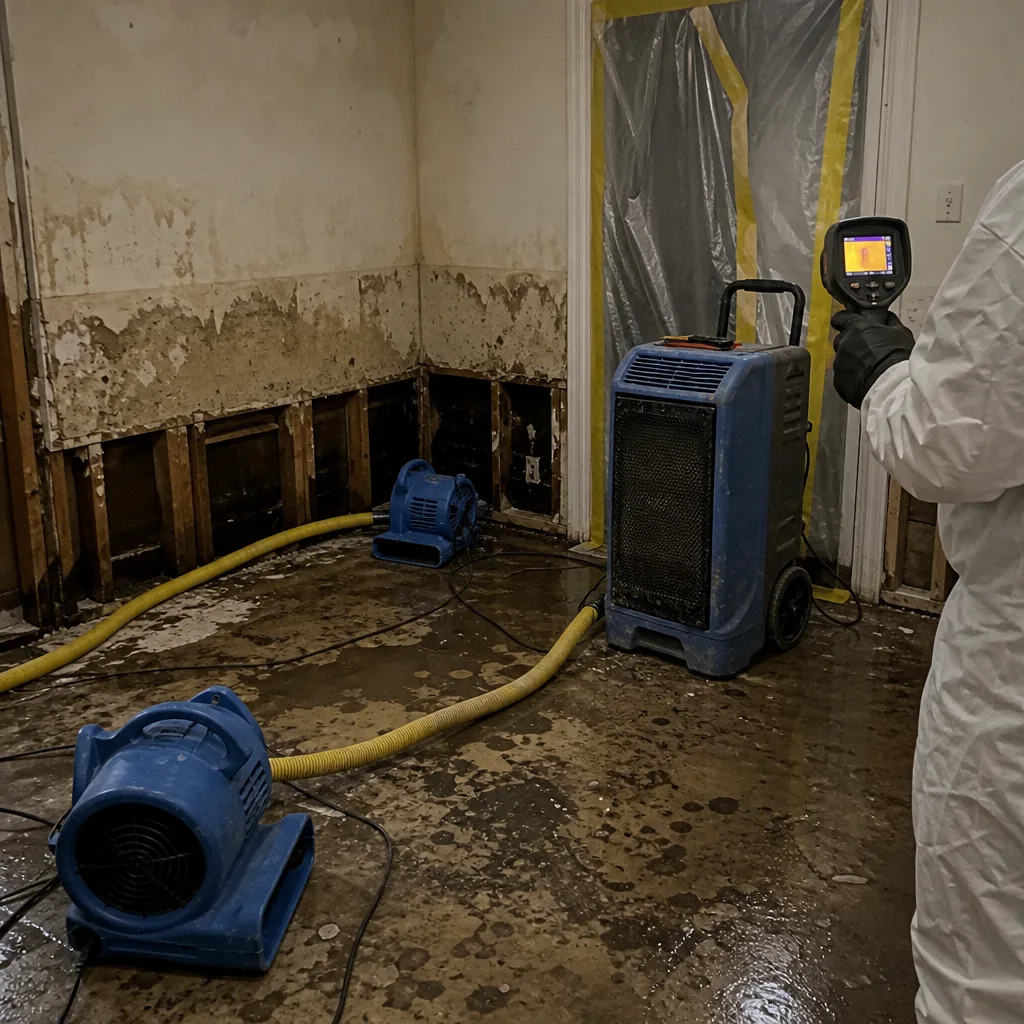 Before
 After
After