
Last updated October 16, 2026
 Water damage drying
 Fire & smoke cleanup
 Mold remediation
 Storm response
 Sewage cleanup
 Reconstruction
Free visual inspection and a written scope of work before any mitigation begins - photos, moisture readings, and drying logs go in your claim file
The scope we write is the scope we bill. Anything new gets shown to you, in writing, before we touch it.
Get your free estimateWater Damage Restoration Maintenance Checklist for Orange County Homeowners
Here’s a number that surprises most Orange County homeowners: the majority of water damage claims we respond to have nothing to do with storms. They come from supply lines that weep behind vanities for months, water heaters that quietly rust through in unconditioned garages, and roof penetrations that only leak when coastal fog gets driven sideways by a November wind. Orange County’s climate creates a specific set of failure patterns that generic home maintenance advice misses entirely. This guide walks through the seasonal rhythm, the appliances most likely to fail, and the documentation habits that protect both your home and your insurance claim.
Restoration work we handle
Quick Answer
A practical water damage prevention routine for Orange County homes means checking 20-30 specific points twice a year: appliance supply lines, toilet connections, water heater condition, under-sink plumbing, outdoor irrigation, and roof penetrations. The highest-risk items in our region are water heaters in unconditioned garages, dishwasher supply lines, and the cast-iron drain systems common in homes built before 1980. Spend about 90 minutes per season on inspection, document your moisture baselines, and act on small leaks within days rather than weeks.
Table of Contents
- Why Orange County Weather Creates Water Damage Others Don’t See
- The Month-by-Month Checklist That Matches OC’s Actual Seasons
- The Three Appliances Most Likely to Fail First
- Slab Foundations vs. Raised Foundations: What to Look for in Each
- Documenting Your Home’s Moisture Baseline with a $30 Tool
- What Your Homeowner’s Insurance Actually Requires You to Do
- Common Mistakes to Avoid
- When to Call a Professional
- Frequently Asked Questions
- The Bottom Line
Why Orange County Weather Creates Water Damage Others Don’t See
Orange County sits in a Mediterranean climate zone. That sounds pleasant, and it usually is, but it creates a specific set of water intrusion patterns that homeowners in other regions never face. The marine layer is the biggest one. From May through July, coastal neighborhoods from San Clemente up to Seal Beach wake up to heavy fog that condenses on roofs, windows, and exterior walls. This fog doesn’t show up as a storm on your weather app, but it saturates building materials in ways that accelerate rot, rust, and seal failure.
The dry season intensifies the problem. Orange County gets almost no measurable rain between April and October most years. That means soil around foundations dries out, shrinks, and pulls away from the slab edge. When the first winter rain arrives, water runs straight down that gap and against the foundation wall. In neighborhoods built on clay-heavy soil, like parts of Orange and Tustin, the expansion cycle stresses foundation walls and can open hairline cracks that were invisible during the summer.
Then there are the Santa Ana winds, which most people associate with fire risk, but the second-order water effect is less obvious. These October and November wind events drop relative humidity into the single digits and pull moisture from wood framing, causing trim, caulk, and flashing to contract and crack. The same roof penetration that held tight during August opens up a small gap. When winter rain arrives, it finds that gap.
The point is this: water damage in Orange County is usually a slow, seasonal process, not a sudden event. That’s why a maintenance checklist has to match the actual calendar of moisture and dryness here, not a generic four-seasons template. If you’d like an overview of the Water Damage Restoration in Orange County process we use, that page explains how we handle failures when prevention misses something.
The Month-by-Month Checklist That Matches OC’s Actual Seasons
Orange County has two meaningful seasons for water damage prevention: the dry stretch from April through October, and the wet stretch from November through March. The transition months, October and March, are the most important checkpoint moments. Here’s what to do each month, with the tasks grouped by realistic seasonal conditions.
- January: Walk the exterior after any rain. Check that water drains away from the foundation for at least 6 feet. Look for puddles that form against the slab edge, especially on the north side of the house where the marine layer keeps soil damp longer. Inspect rain gutters for leaf debris from the November Santa Ana winds.
- February: Test every toilet for silent leaks. Put a few drops of food coloring in the tank, wait 20 minutes without flushing, and check whether color appears in the bowl. A running toilet can waste 3-5 gallons per day and, in some configurations, seep past the wax ring into the subfloor.
- March: This is a transition month. Do a full under-sink inspection on every vanity and kitchen sink. Run your hand along the shutoff valves and supply connections. Look for corrosion, green oxidation on copper, or pink deposits. Then check the water heater for any signs of rust at the base or fittings.
- April: Irrigation systems go back into use. Walk each zone while it runs and look for sprinkler heads that spray the foundation or exterior walls. A misaligned head soaking a stucco wall for 30 minutes twice a week will create a mold problem by June.
- May: Marine layer peak. Check the interior side of exterior walls in rooms on the west and south faces. Use the back of your hand to feel for cool, clammy drywall, especially near windows and sliding doors. If you don’t have a moisture meter yet, this is the month to document your dry-season baseline.
- June: Inspect weatherstripping and caulk on all exterior openings. The marine layer is not rain, but it condenses on cold window frames and can wick into cracks. Recaulk any gap wider than 1/8 inch.
- July: Check everything connected to the washing machine. Pull the machine out if you can, inspect the supply hoses for bulges or cracking, and verify the drain hose is seated. Washing machine supply lines fail most often during the summer when higher water pressure and warmer temperatures stress older rubber hoses.
- August: Inspect the water heater again. If it lives in an unconditioned garage, summer heat accelerates anode rod depletion. Check for moisture around the temperature-pressure relief valve and any signs of weeping at the tank fittings.
- September: Get ready for Santa Ana season. Trim any tree branches touching the roof or exterior walls. The dry winds won’t cause direct water damage, but they loosen roof tiles and shift flashing. Branches rubbing against roofing compound wear grooves in it over time.
- October: Clear rain gutters and downspouts after the first Santa Ana event. Check all roof penetrations: plumbing vents, attic vents, HVAC penetrations, and skylights. Re-seal any cracked flashing or boot collars. This is the most important preventive step before winter.
- November: First rain test. Walk the house during or immediately after the first hard rain. Check the attic for wet spots, look at interior ceilings for discoloration, and verify that all downspouts discharge at least 6 feet from the foundation.
- December: Schedule your second full interior moisture check of the year. Compare readings against your May baseline. Document any increase. If the yard drains poorly and we get a multi-day rain event, pay attention to the floor-wall junction in the garage and any below-grade rooms.
This rhythm takes about 90 minutes per season, less if you document as you go. The key is consistency: the most expensive water losses we see in Orange County neighborhoods from Fullerton to Lake Forest are not from missed tasks, they’re from two or three years of skipped checkups catching up all at once.
The Three Appliances Most Likely to Fail First
Insurance industry data consistently points to the same three residential water damage culprits, and Orange County’s specific housing stock makes two of them worse. Here’s what to know about each, with honest inspection intervals based on what we’ve actually seen in local homes.
Water Heaters in Unconditioned Garages
A significant portion of Orange County homes built since the 1980s have water heaters installed in the garage. That’s a design choice that works fine for most of the year, but it means the tank is exposed to wider temperature swings than a heater in an interior closet would be. More importantly, garage installations are often installed directly on the slab with no drain pan, so when the tank begins to rust through, the water spreads across the garage floor and into the wall cavity before anyone notices.
What to check: Look at the base of the tank once a quarter. Use a flashlight, not your phone’s light. Look for any rust-colored staining, mineral deposits around the fittings, or water beading at the seams. Listen for a constant popping sound while the burner is on, which indicates sediment buildup that accelerates tank corrosion. If the tank is older than 8 years and you see any of these signs, budget for a replacement before it becomes an emergency. Replacing a water heater proactively costs $1,200 to $2,200 in Orange County. Replacing one after it ruptures and floods a garage usually costs $4,000 to $12,000 once drywall, insulation, and flooring repairs are included.
Dishwasher Supply Lines
Dishwasher supply lines fail more often than most homeowners expect because they’re hidden behind a kick plate and completely out of sight. The connection sits under the dishwasher, where warm, humid conditions from the drying cycle accelerate rubber degradation. When it fails, it usually fails while the dishwasher is running, which means no one is in the room, which means the leak has 20-40 minutes to saturate the cabinet base and subfloor before it’s discovered.
What to check: Slide out the dishwasher (most models pull forward once you lower the leveling legs) or remove the kick plate at the bottom. Look at the supply connection. If the line is braided stainless steel, check for any kinking or corrosion at the fitting. If it’s a plastic or rubber line, plan to replace it proactively with a braided stainless steel line, which runs $35 to $75 at any hardware store and takes under an hour to install if you’re comfortable with basic plumbing. Do this on any dishwasher older than 5 years.
Refrigerator Ice Maker Connections
The ice maker supply line is the leak we see most often in kitchens that have no other plumbing issues. It’s a 1/4-inch plastic or copper tube that runs from a shutoff valve behind the refrigerator to the freezer. It’s under constant pressure, it moves whenever the refrigerator gets pulled out for cleaning, and it’s rarely inspected. Copper lines can develop pinhole leaks from corrosion; plastic lines can crack at the connection point from repeated flexing.
What to check: Pull the refrigerator out once a year. That’s it. Look at the entire length of the supply tube. Look at the floor and baseboard behind the refrigerator for any sign of moisture or staining. If you have a copper line and it’s more than 10 years old, or a plastic line more than 7 years old, replace it with a braided stainless steel line. The replacement costs under $50. The repair after a slow leak behind a refrigerator that goes unnoticed for two weeks runs $2,500 to $6,000 because it usually damages the floor, the cabinet, and the wall behind the appliance.
For a full scope of how we address leaks from these systems and others, see the Water Damage Restoration in Orange County page.
Slab Foundations vs. Raised Foundations: What to Look for in Each
Orange County has two dominant foundation types, and they fail differently. Homes built in the post-war boom from the late 1940s through the 1960s, especially in older sections of Fullerton, Orange, Santa Ana, and Garden Grove, are often built on raised foundations with a crawlspace. Homes built since the 1970s, which is most of the county’s housing stock, are typically slab-on-grade. Each type has a specific water damage signature.
Slab Foundations: Look for Ceiling Stains and Wall Base Discoloration
On a slab foundation, water that leaks inside the wall cavity has nowhere to go but up into the drywall or sideways across the slab. The early warning signs are subtle: baseboards that separate slightly from the wall, paint that bubbles or peels along the bottom 6 inches of a wall, or a musty smell that comes and goes. The source is almost always a supply line or a drain line inside the wall, and the leak can travel horizontally for 10 to 20 feet before it shows up as visible staining.
What to look for: Pay attention to the floor-wall junction in every room. On tile or wood floors, look for cupping, warping, or discoloration along the edges. On carpet, feel for dampness or a persistent musty odor. If you see any of these signs, don’t wait: a slab leak in Orange County typically costs $3,500 to $9,000 to repair, and the damage compounds every week it runs.
Raised Foundations: Listen for Dripping and Look for Soft Spots
Raised foundations hide leaks differently. Water from a failed supply line or drain leaks into the crawlspace, where it pools or wicks through the subfloor joists. The first sign is often a soft spot in the floor or a section of hardwood that darkens. In some cases, the only sign is the faint sound of running water when no fixtures are in use.
What to look for: If your home has access to the crawlspace, inspect it twice a year, in spring and fall. Bring a bright flashlight. Look for standing water, water stains on the subfloor from above, or sagging insulation. Check the soil for any small depressions that indicate a drip has been falling. If the crawlspace has a vapor barrier, look for tears or pulls. A compromised crawlspace vapor barrier lets ground moisture rise into the framing, which is the most common cause of the musty smell that older Orange County homes are known for.
Documenting Your Home’s Moisture Baseline with a $30 Tool
Here’s the strategy that separates homeowners who catch water damage early from those who find it after it becomes a restoration project: establish a moisture baseline. You can’t know when your home is “too wet” if you don’t know what “normal” looks like for your specific construction.
A pin-type moisture meter costs $28 to $40 on Amazon or at any hardware store. The one we recommend for homeowner use is a basic model from General Tools or Klein Tools. It has two metal pins that you press into a surface, and it reads the moisture content as a percentage. You don’t need a professional-grade unit; you need consistency, not precision.
Here’s the process:
- Buy the meter and a small notebook. Write down the date and general weather conditions (dry and warm, marine layer, after rain). Moisture readings vary with humidity, so context matters.
- Pick 10 spots to test every time. Choose consistent locations: the wall behind each toilet, the cabinet floor under each sink, the wall behind the refrigerator, the garage wall closest to the water heater, the ceiling below each bathroom if you have a two-story home, and the floor-wall junction in the room farthest from any plumbing. Use the same spots each season.
- Take and record readings. A normal drywall reading in a Southern California interior wall is 5-9% in dry weather and up to 14-16% during marine layer months or after rain. Wood should read 8-12%. The specific numbers for your home matter less than the change over time. If one spot jumps from 8% to 20% in a single season, something is changing.
- Investigate any reading above 20% in drywall or 25% in wood. If you get a reading that high in a spot you’ve been monitoring, do the food coloring toilet test, check the plumbing in the nearest fixture, and look for roofing leaks if the location is on an upper story or under a roof penetration.
- Keep the notebook somewhere you’ll actually see it. Taping it inside a kitchen cabinet door works. The value of this system comes entirely from consistency. A single reading tells you almost nothing; six readings over three years tell you exactly where your home’s vulnerabilities are.
This 30-minute seasonal routine costs almost nothing and gives you what most Orange County homeowners never have: a quantified, documented history of how wet or dry each area of your home normally is. When a leak starts, you’ll see the change before the stain appears. That’s when repair costs are measured in hundreds, not thousands.
What Your Homeowner’s Insurance Actually Requires You to Do
Homeowner’s insurance policies in California are written with language that most people never read until they file a claim. The relevant clause is usually under “Duties After Loss” and sometimes under “Conditions,” and it contains two obligations that directly affect whether a water damage claim gets paid in full.
First: you must take reasonable steps to prevent additional damage. This means shutting off the water at the main valve or fixture stop when a leak is discovered, moving contents out of the wet area, and starting drying within a reasonable time frame. In practice, insurance adjusters look at the timeline between discovery and response. A homeowner who discovers a leak on Monday and waits until Saturday to call for help has a harder claim than one who acts the same day. You don’t have to do the restoration yourself; you have to show that you didn’t let the damage spread.
Second: you must maintain the property against foreseeable risks. This is the part that surprises most people. If a water damage claim traces back to a maintenance failure that was reasonably preventable, the insurance company can reduce the payout or deny the covered portion of the claim. A dishwasher supply line that was 20 years old and visibly corroded? That’s a maintenance issue. A washing machine hose that was never replaced in 14 years? Same. Water damage from a roof that was missing shingles before the rain? Same.
This is the exact reason this checklist exists. It’s not just about preventing damage; it’s about building a documented history of regular maintenance. If you can show that you inspected supply lines twice a year, replaced the water heater before it failed, and documented moisture readings seasonally, you have strong evidence that any failure was sudden and accidental rather than neglected. That distinction is the difference between a covered claim and a denied one.
When we perform Water Damage Restoration in Orange County, we document everything with photos and moisture readings that insurance companies recognize. Often the homeowner’s own maintenance records are the evidence that gets the claim approved quickly. If you have a documented history, keep it accessible. If you don’t, start now.
Common Mistakes to Avoid
- Treating this checklist as a one-time project. A single thorough inspection has almost no long-term value. The entire point is the comparison from season to season. You need two datapoints or more to see movement.
- Checking only what’s visible at eye level. The most expensive Orange County leaks we’ve documented ran inside walls, under floors, and behind appliances for weeks before anyone could see them with the naked eye. Your hands should be doing as much work as your eyes.
- Ignoring small puddles and stains because they’re “always been there.” A stain that doesn’t grow is less urgent, but a stain that appears to be old should still be documented. Take a photo and note the date. Check it again in 30 days. If it hasn’t changed, keep it on the annual watch list.
- Running sprinklers in the evening during summer months. In Orange County’s dry heat, evening watering seems logical, but it leaves moisture against the foundation and exterior walls all night. Morning watering gives the surfaces time to dry before the cooler marine layer moves in.
- Caulking over an active leak without fixing the source. Caulk is a sealant, not a repair. Water trapped behind caulk will find another exit or continue wicking into the framing. Fix the source, then re-caulk the cosmetic seam.
- Assuming a home inspector will catch water damage. Home inspectors do a visual review under the conditions present on inspection day. They can’t see inside walls. A home that passed inspection three months ago can have a leak running behind the drywall right now.
- Delaying the call because “it’s not that bad yet.” Water damage is a compounding expense. Every day a leak runs, it spreads further, wicks higher into the drywall, and invites mold growth. The cheapest day to fix a water issue is the day you discover it.
When to Call a Professional
Some things are worth calling a professional for the first time you see them. If you can hear water running but can’t find the source, if a ceiling is sagging or discolored in a downward direction, if you smell an ongoing musty odor in a room with no visible water, or if your moisture meter reads above 20% in drywall and you’ve already checked the obvious plumbing, call someone who does this work daily. A sagging ceiling can hold several hundred pounds of water and can fail without warning, so do not poke or drain it yourself. If you’re in Orange County, Dryden Restoration Orange County home based in Kingswell offers free estimates, and we answer the phone 24 hours a day at (424) 552-4739. We’ll tell you whether it’s a project or a problem you can handle with a caulk gun.
Frequently Asked Questions
Twice a year at minimum: once in May before the marine layer peak and once in November after the first rain. The spring check should focus on interior moisture levels and appliance supply lines. The fall check should focus on roof penetrations, gutters, and exterior drainage. If you have a raised foundation with a crawlspace, add a third check in January or February.
The most common cause we see in Orange County is a failed supply line or appliance connection: dishwasher supply lines, ice maker lines, water heater tanks, and washing machine hoses. That’s different from other parts of the country where roof leaks and basement flooding dominate. Our climate doesn’t produce many basement floods because most homes don’t have basements.
A dehumidifier helps control indoor relative humidity, but it will not prevent a plumbing leak. In coastal Orange County neighborhoods from Newport to San Clemente during marine layer months, a dehumidifier is useful for keeping interior RH below 55%, which slows mold growth and condensation. Use it as a moisture control tool, not as a substitute for inspecting supply lines and appliance connections.
Water damage restoration in Orange County typically ranges from $1,800 to $8,000 depending on the size of the affected area, the water category, and whether structural drying or reconstruction is required. A limited supply-line leak behind a kitchen cabinet that’s caught the same day might run $1,800 to $3,500. A water heater rupture that saturates a garage and adjacent wall cavity typically runs $5,000 to $12,000. For a written, line-itemed price before any work starts, call (424) 552-4739.
Homeowner’s insurance typically covers sudden and accidental water damage, but slow leaks that develop over weeks or months are often classified as maintenance issues and coverage can be reduced or denied. This is why immediate action matters: the moment you detect a leak, shut off the water, call your insurer, and document everything. If the leak has been running long enough that your maintenance records show you should have caught it, the claim gets more difficult. Insurance adjusters also look more favorably on claims where a professional drying company was called promptly rather than after days of homeowner-supervised drying.
No. Mold requires a moisture source plus organic material plus time. In most cases, a leak that is dried within 24-48 hours using professional-grade drying equipment will not develop mold. The risk rises when water sits in wall cavities, under flooring, or behind baseboards for more than 48 hours. If you have a leak and can’t access the wet area or can’t dry it quickly, call a professional. See the Mold Remediation in Orange County page for more detail on when mold becomes a separate issue from the water damage itself.
The Bottom Line
Orange County’s water damage problem is not dramatic weather; it’s the slow, quiet failure of small components: a supply line under pressure, a tank rusting in the garage, a roof boot that cracked during a Santa Ana wind. The checklist above gives you the 90-minutes-per-season habit that catches these failures before they become emergencies. Document your moisture baselines, build a maintenance record that protects your insurance claims, and act the same day when something changes. If you find something you’re not sure about, call a professional who will tell you honestly whether it’s a problem or a false alarm. If damage does occur, we handle the full restoration process from mitigation to reconstruction. For fire-related damage, we also provide Fire Damage Restoration in Orange County.
Written by Carl Brandt, Owner at Dryden Restoration Orange County, serving Orange County since 2005.
See the difference
 Before
 After
After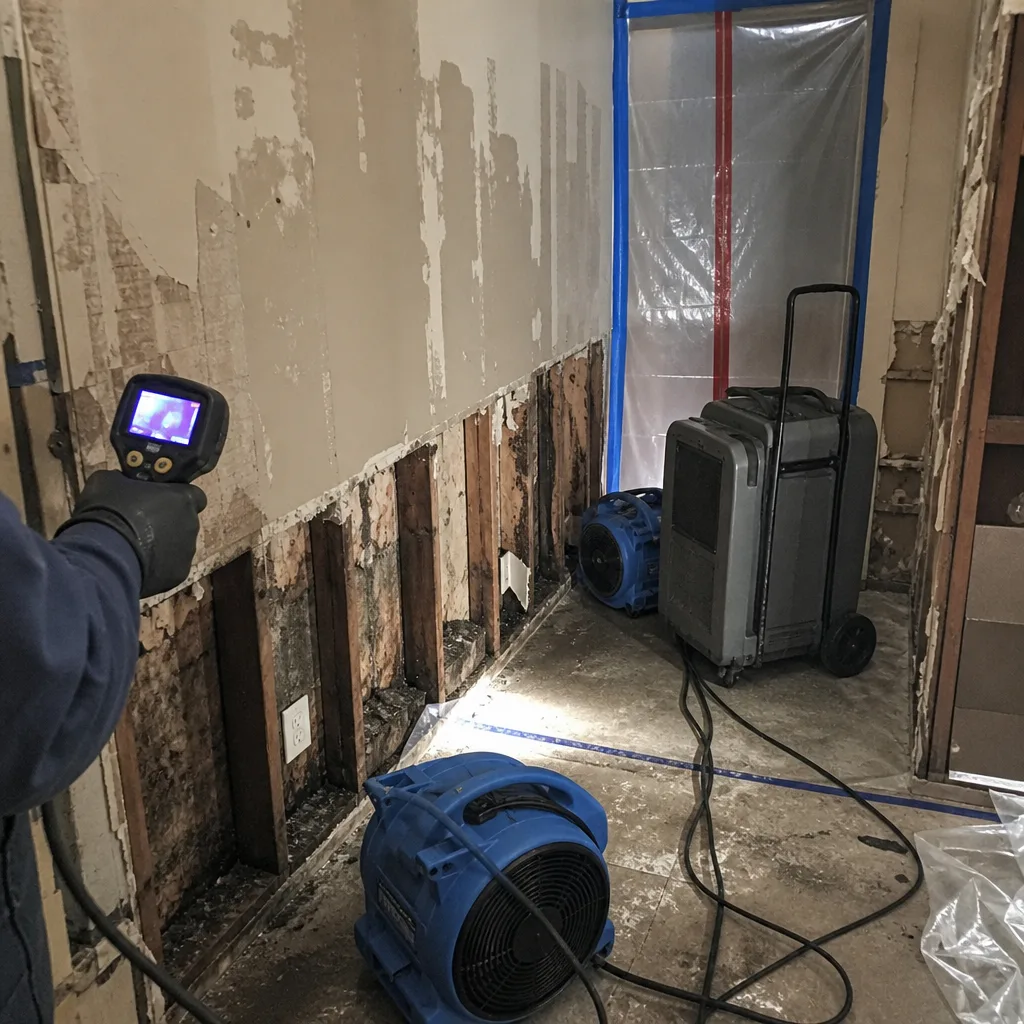 Before
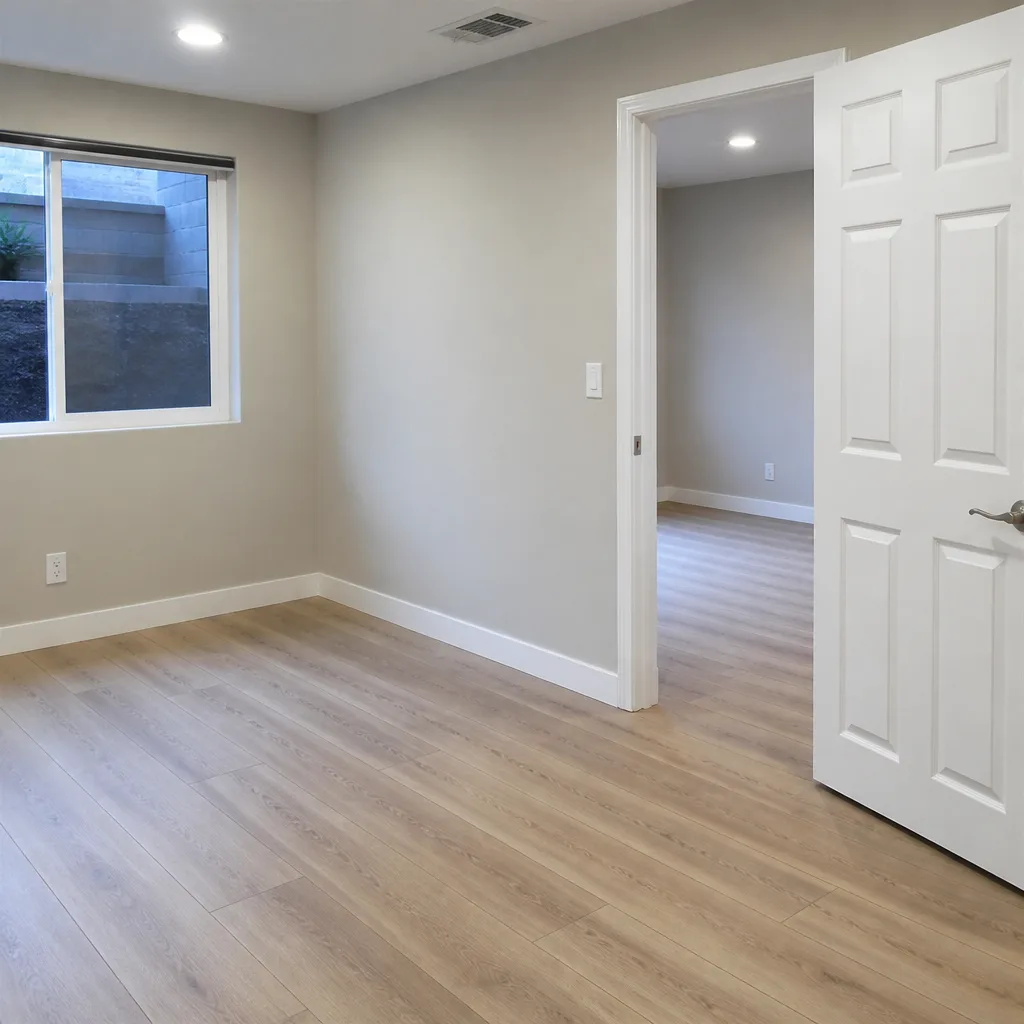 After
After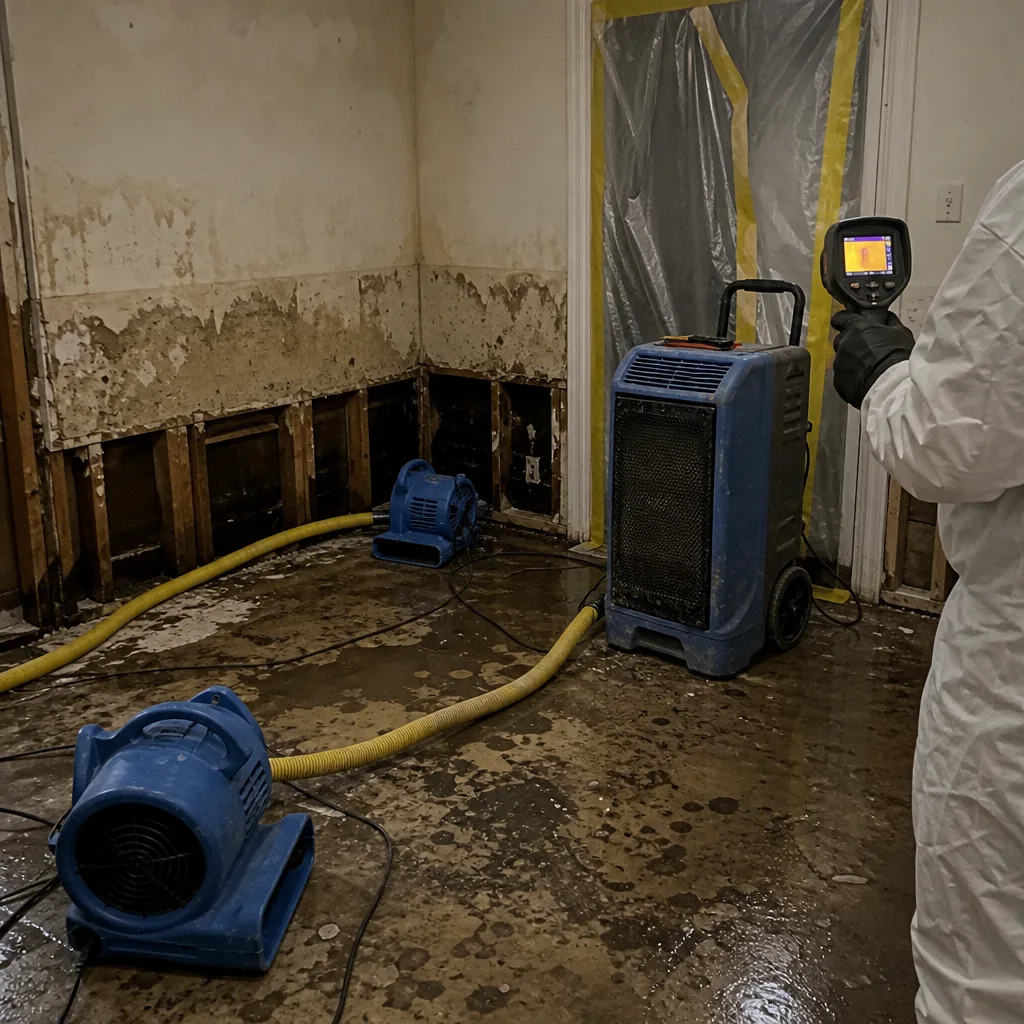 Before
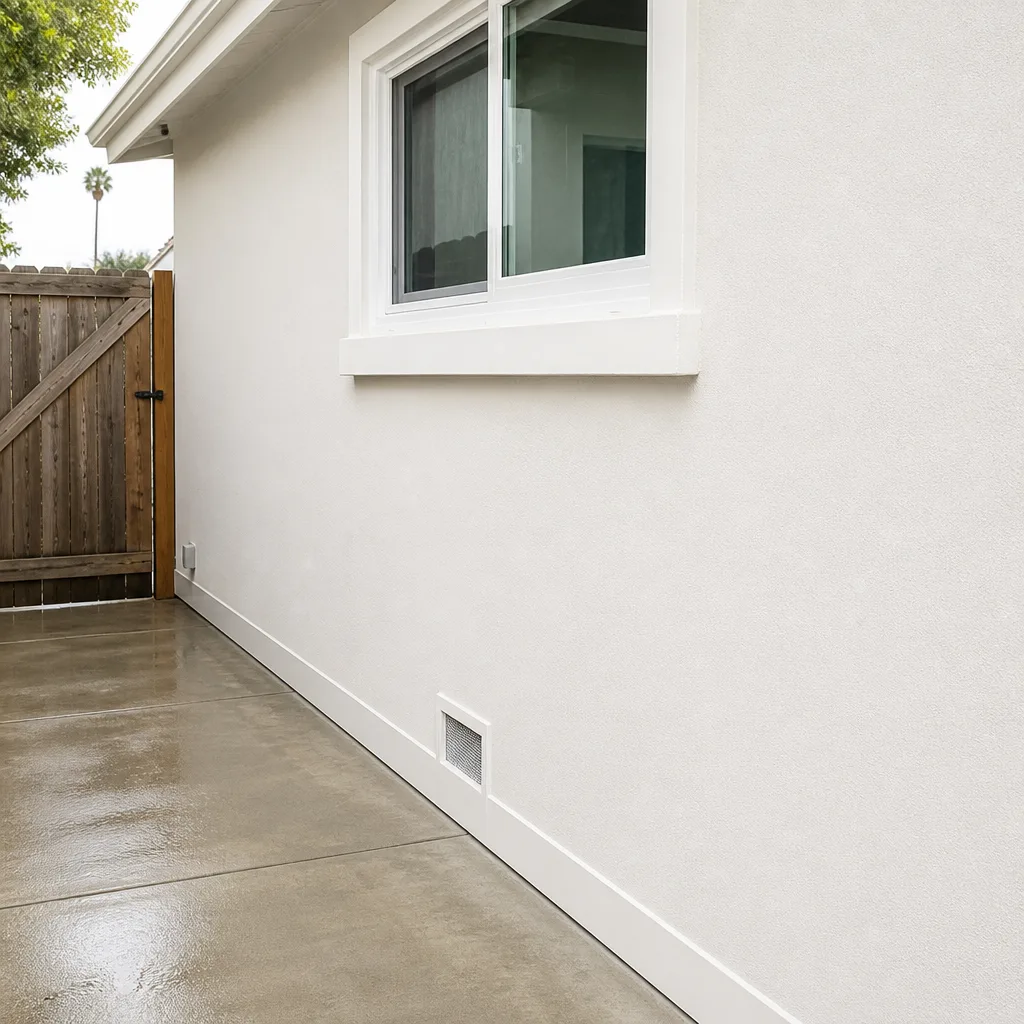 After
After