
Last updated October 16, 2026
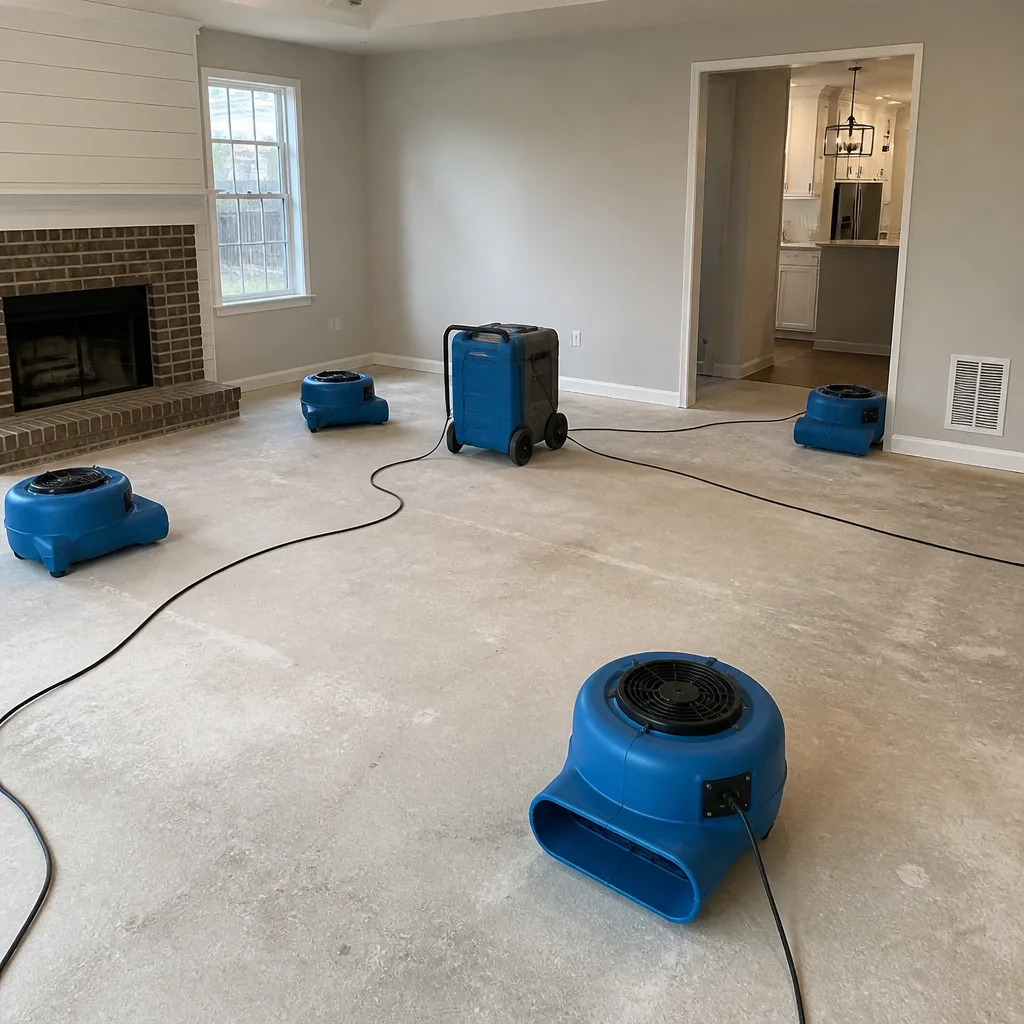 Water damage drying
 Fire & smoke cleanup
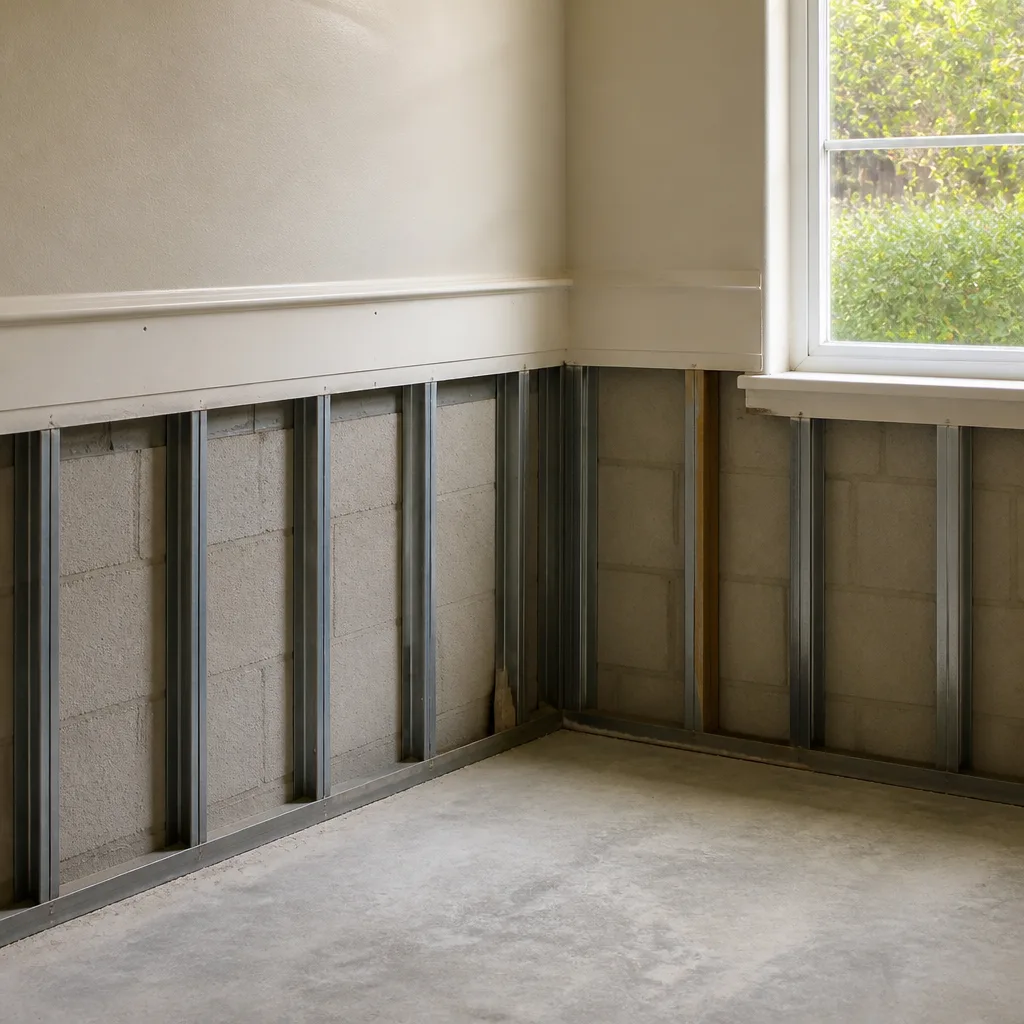 Mold remediation
 Storm response
 Sewage cleanup
 Reconstruction
Free visual inspection and a written scope of work before any mitigation begins - photos, moisture readings, and drying logs go in your claim file
The scope we write is the scope we bill. Anything new gets shown to you, in writing, before we touch it.
Get your free estimateDamage Restoration Permits, Codes & Inspections in CA: What You Need to Know
In 2023, a Costa Mesa homeowner watched her sale nearly collapse three weeks before closing. The buyer’s inspector flagged drywall work that followed a 2022 water loss. The work looked fine. The problem was paper: no permit, no inspection, no record. She paid $1,800 to retroactively document repairs that would have required a $150 permit at the time. Every year, we field calls from Orange County homeowners caught in this exact situation, usually at the worst possible moment. This guide explains what actually requires a permit after water, fire, or mold damage in California, how local cities enforce the rules differently, and why the permit itself protects you far more than it protects any contractor. For related reading, see our Damage Restoration Warning Signs: A Orange County Homeowner’s Reference Guide.
Quick Answer
In California, restoration work that only replaces damaged materials with like-kind materials, such as cutting out wet drywall and hanging new drywall in the same location, is legally classified as a repair and generally does not require a building permit. Work that alters the structure, moves walls, modifies electrical or plumbing systems, or changes the building’s footprint crosses into alteration territory and requires permits plus inspections. The tipping point varies by city, and when you skip a permit that was legally required, the problem follows the property, not the contractor, surfacing during insurance claims and resale inspections.
Restoration work we handle
Table of Contents
- Repair vs. Alteration: The California Line That Determines Everything
- How Orange County Cities Handle the Same Job Differently
- What a Final Inspection Actually Checks in Restoration Work
- The Paper Trail Your Insurance Company Expects
- How to Ask a Contractor About Permits and Read the Answer
- Common Restoration Scopes and Their Permit Status in California
- What Unpermitted Restoration Work Does to Your Resale Value
- Common Mistakes to Avoid
Repair vs. Alteration: The California Line That Determines Everything
California Building Code draws a line between two categories of work, and that line determines whether you need a permit. The distinction lives in Chapter 1 of the CBC, under the Administrative Code provisions that every local jurisdiction adopts with its own amendments. A repair restores something to its previous condition using the same materials and the same configuration. An alteration changes something about the building, its systems, or its use.
This sounds simple until a wall is open. The drywall after a supply line leak is straightforward repair: cut out the wet portion, dry the framing, hang new 5/8-inch drywall where 5/8-inch drywall sat before, tape, texture, paint. No permit in nearly every California city. The same wall after a kitchen fire that spread into the stud cavity can become an alteration if the electrical wiring feeding the outlet had to be replaced rather than simply reconnected, or if the wall assembly itself changed because you upgraded from 1/2-inch to 5/8-inch for fire rating.
The practical thresholds we see written into California city ordinances most often are:
- Drywall replacement under 16 square feet: Treated as cosmetic repair in most jurisdictions, no permit needed.
- Drywall replacement over 16 square feet: The trigger point where some cities, particularly in Orange County, begin requiring permits, especially when fire-resistive assemblies are involved.
- Any electrical work beyond device replacement: Replacing a melted outlet is a repair. Replacing the romex run back to the panel is an alteration that requires an electrical permit and inspection.
- Any plumbing beyond fixture reconnection: Swapping a water heater requires a permit statewide. Reconnecting a supply line to an existing valve after drying does not.
- Structural member replacement: Replacing a rotted bottom plate or sistering a damaged floor joist requires a permit and often an engineer’s letter, because the structural integrity of the building changes.
We recommend requesting a written scope of work from any restoration contractor that explicitly states whether permits are required for each line item. If the word “permit” never appears, ask why. For help evaluating your options, read our DIY vs Professional Damage Restoration: The Orange County Homeowner’s Decision Guide.
How Orange County Cities Handle the Same Job Differently
Orange County is not one permitting jurisdiction. It is 34 separate cities, each with its own building department, its own fee schedule, and its own interpretation of the California Building Code. The same water damage restoration project can face completely different permit requirements depending on whether the address is in Anaheim, Irvine, Santa Ana, or an unincorporated county pocket.
Anaheim’s building division tends to be practical about water damage restoration, focusing enforcement on structural changes and electrical systems. A straightforward drywall replacement after a slab leak in an Anaheim home built in the 1970s rarely triggers a permit. But Anaheim is strict about water heater replacements following any flood event, and about any work touching a load-bearing wall.
Irvine takes a more documentation-forward approach. Because much of Irvine’s housing stock sits in planned communities with HOAs that maintain their own architectural and construction standards, the city expects restoration contractors to coordinate with both the HOA and the building department. Irvine inspectors commonly want to see photos documenting the pre-existing condition before framing was closed up, especially for fire damage restoration work in attached townhomes and condominiums.
Santa Ana’s housing stock is older, and the city’s building department knows it. Inspectors there often ask for asbestos testing documentation when restoration involves drywall or flooring in homes built before 1980. The permit itself is not necessarily more difficult to obtain, but the path to final inspection includes more environmental verification steps than in newer cities.
The unincorporated areas of Orange County, such as parts of North Tustin and Rossmoor, fall under county jurisdiction through OC Public Works. County inspectors tend to enforce the most conservative reading of the code simply because the territory is so varied. If your restoration project is in an unincorporated area, assume the permit threshold is stricter until proven otherwise.
This patchwork is exactly why a restoration company based in Orange County matters. A contractor who works primarily in Riverside County will not know that Irvine expects HOA coordination paperwork on attached units, or that Santa Ana checks asbestos records on pre-1980 homes.
What a Final Inspection Actually Checks in Restoration Work
A final inspection is not a formality, and understanding what the inspector looks at changes how you think about the permit process. The inspector’s job is to verify that the work matches the approved scope and meets the minimum standards of the current California Building Code, not the code that was in effect when your house was built.
In a typical water damage restoration project that required a permit, the final inspection sequence includes these steps:
- Framing inspection: Inspector verifies that any replaced studs, plates, or joists are the correct species and grade, properly fastened, and free of rot or mold. If a bottom plate was replaced after a slab leak, the inspector checks the anchor bolts are still in place and properly spaced.
- Electrical rough-in inspection: If any wiring was replaced, the inspector checks wire gauge, junction box fill, and proper grounding before drywall goes up.
- Insulation and vapor barrier check: In exterior walls, the inspector verifies that insulation was reinstalled to current standards and that the vapor barrier faces the correct direction. This is a common failure point in restoration work done without permits.
- Drywall and fire-rating verification: For attached homes, condominiums, and townhomes, the inspector confirms the correct drywall thickness for fire-resistive assemblies between units. This is not a suggestion, it is a life-safety issue, and inspectors in Orange County take it seriously.
- Final inspection: The inspector walks the finished space, confirms all covered work passed earlier checkpoints, and signs off the permit record.
Here is the point most homeowners miss: the inspection record becomes a permanent part of your property’s file with the city. That record is what a buyer’s inspector calls up during escrow. That record is what an insurance company can request if a second claim touches the same area. Passing an inspection is not about satisfying the city, it is about creating documentation that proves the work was done correctly. That documentation protects you for as long as you own the home.
The Paper Trail Your Insurance Company Expects
Insurance adjusters speak a language of documentation, and restoration permits are part of that vocabulary. When you file a claim for water damage or fire damage, your insurer reimburses based on the scope of work performed. That scope is documented through photos, moisture readings, drying logs, and the contractor’s estimate. When the work includes permitted items, the permit and inspection record become proof that the work was actually completed and approved.
Here is what typically happens with a routine claim. You file, the adjuster inspects, the estimate is approved, the restoration work is completed, and the claim closes. Six months later, a second leak occurs in the same wall cavity. The adjuster for the new claim asks a simple question: what was done the first time? If permits and inspections were on file, the answer is documented. If not, the insurer may argue that the second loss was caused by improper repairs from the first loss, which is typically excluded from coverage.
The documentation sequence that protects you looks like this:
- Pre-existing condition photos: Taken before any work begins, showing the damage in its original state.
- Moisture map and drying log: Proving the affected area was dried properly, including psychrometric readings that track relative humidity and moisture content in real time.
- Scope of work: A written list of every repair, the materials used, and the permit status of each line item.
- Permit application and approval: Filed with the city before the work begins.
- Inspection sign-offs: The city’s record that the work passed code review.
- Post-repair photos: Showing the finished condition after reconstruction.
Without this chain, the insurance company has every incentive to deny a subsequent claim tied to the same area. The permit is not the only documentation that matters, but it is the piece that carries legal weight with both insurers and future buyers.
How to Ask a Contractor About Permits and Read the Answer
You have every right to ask a restoration contractor directly whether permits are required for your specific project, and the answer you receive tells you a great deal about how that company operates. We recommend asking before signing anything, ideally during the initial estimate walkthrough. Our How to Hire a Damage Restoration Contractor in Orange County: A Step-by-Step Guide covers what else to ask during that first meeting.
The question is simple: “Will this job require permits, and who pulls them?”
A clear answer sounds like this: “Yes, the electrical replacement in the kitchen requires a permit from the city of Anaheim, and we file it under our license before we start. The drywall replacement does not require one, and I can walk you through why.”
A vague answer sounds like this: “We handle all that on our end,” followed by no specifics about which permits, which city, or which items trigger the requirement. Or worse: “You don’t want permits because they slow everything down.”
Here is what a vague answer actually tells you. The contractor either does not know the local code well enough to answer specifically, which is a competence problem, or the contractor knows permits are required and does not want the inspection, which is a compliance problem. Either way, the risk lands on you.
A legitimate contractor will never fear a permit. The inspection verifies their work, which protects their liability. The contractors who push back on permits are typically the ones whose work would not pass inspection. In 18 years of Water Damage Restoration in Orange County, we have never had a permitted job fail an inspection, because the permit process forces the work to be done correctly the first time.
One more thing: ask whether the permit is actually being pulled, not just planned. Some contractors include a permit line item on the estimate, collect the fee, and never file the paperwork. You can verify a permit exists by calling the city’s building department and asking for the permit number. If the contractor cannot provide one within a few days of starting work, stop the job and ask why.
Common Restoration Scopes and Their Permit Status in California
The table below reflects permit requirements that apply in most Orange County cities, including Anaheim, Irvine, and Santa Ana. Always verify with your specific city’s building department, because local amendments vary.
| Restoration Scope | Permit Required? | Notes |
|---|---|---|
| Drywall replacement under 16 sq ft | No | Treated as cosmetic repair in most jurisdictions |
| Drywall replacement over 16 sq ft | Sometimes | Depends on city and whether fire-rated assembly is involved |
| Baseboard and trim replacement | No | Cosmetic, no structural or system impact |
| Flooring replacement (like-kind) | No | Excludes structural subfloor work |
| Subfloor joist replacement | Yes | Structural alteration, typically requires plan review |
| Electrical outlet or switch replacement | No | Device-only replacement is exempt |
| Wiring replacement from circuit to panel | Yes | Electrical permit required, inspection mandatory |
| Water heater replacement | Yes | Statewide requirement, no local exemption |
| Supply line repair (like-for-like) | No | Does not change system configuration |
| Drain line replacement | Yes | Plumbing permit required in most cities |
| Mold remediation (containment, removal) | No permit, but documentation required | Follows IICRC S520 protocols, not building code |
| Structural beam replacement | Yes | Requires engineer letter and plan review |
Take mold remediation as a special case. California does not issue mold remediation permits, but the work is governed by standards from the IICRC and IFA that insurers and buyers increasingly expect to see documented. If you are selling a home in Irvine that had mold remediation, the buyer’s inspector may ask for the remediation protocol, the post-remediation clearance test, and the drying log. None of that requires a permit, but all of it requires documentation. We run Dri-Eaz and Phoenix drying equipment on every water job specifically because those machines produce the calibrated moisture readings that stand up to scrutiny later.
What Unpermitted Restoration Work Does to Your Resale Value
The Costa Mesa story at the top of this page is not rare. It happens somewhere in Orange County every month. A home goes into escrow, the buyer’s inspector pulls the city’s building record, and discovers work that does not match the permit history. What happens next depends on timing and severity.
In California, sellers are legally required to disclose material facts about the property. Unpermitted work is a material fact. Once you know about it, you must disclose it. If you do not know about it because your contractor never told you, the discovery still happens during escrow, and you are still responsible for the disclosure and the remediation.
The typical outcomes we see:
- Sale delay: The buyer requests retroactive permits, which takes two to six weeks depending on the city. In a competitive market, buyers may walk rather than wait.
- Price concession: The buyer asks for a credit to cover the cost of retroactive permitting and any repairs revealed during inspection. The Costa Mesa homeowner paid $1,800 for work that would have cost $150 at the time.
- Buyer cancellation: Some buyers will not touch unpermitted work, period. The sale dies, the home goes back on the market, and the disclosure now includes the defect, which reduces the buyer pool.
- Financing complications: Some lenders will not fund a loan on a property with unresolved unpermitted work.
The opposite case is a documented permitting history. When a buyer’s inspector pulls up the record and finds that the 2022 water loss was followed by proper permits and final inspections, the concern evaporates. The buyer sees a property that has been maintained correctly. That is what a permit record buys you: proof that the work was done right, in a form that survives the transaction.
Our recommendation is to treat permit documentation as part of the restoration deliverable. The same way you keep the moisture readings and the drying log, keep the permit record. You won’t need it until the day you sell, and on that day, you will be glad it exists. We discuss this openly with every homeowner during Dryden Restoration Orange County home consultations because the conversation is cheaper in 2025 than the retroactive permit is in 2028.
Common Mistakes to Avoid
- Assuming the contractor pulled permits without verifying. Ask for the permit number. Call the city. Confirm it exists. The five-minute phone call is free, and it is the only verification that matters.
- Accepting “repair” classification without asking why. Some contractors call everything a repair to avoid permits. If the scope includes structural, electrical, or plumbing changes, it is likely an alteration in most Orange County cities.
- Ignoring the asbestos issue on pre-1980 homes. In Santa Ana, Fullerton, and Garden Grove, older drywall and flooring often contain asbestos. Disturbing it without testing creates legal and health problems. A legitimate contractor tests before cutting.
- Letting a contractor skip the HOA coordination in Irvine. Attached homes in planned communities have additional approval layers. Skipping them can trigger fines from the HOA even when the city permit was properly obtained.
- Keeping no documentation after the work is done. The permit record, the drying log, and the scope of work are all part of your property’s resale file. Store them together and keep them until you sell.
- Trusting a verbal promise that permits “aren’t needed here.” Every city has a building department that answers the phone. The code interpretation from Anaheim may differ from Irvine. Get it in writing from the city, not the contractor.
- Paying the permit fee without seeing the permit. The fee is a line item on the estimate. The permit is a document on file with the city. Paying the former does not mean the latter exists.
See the difference
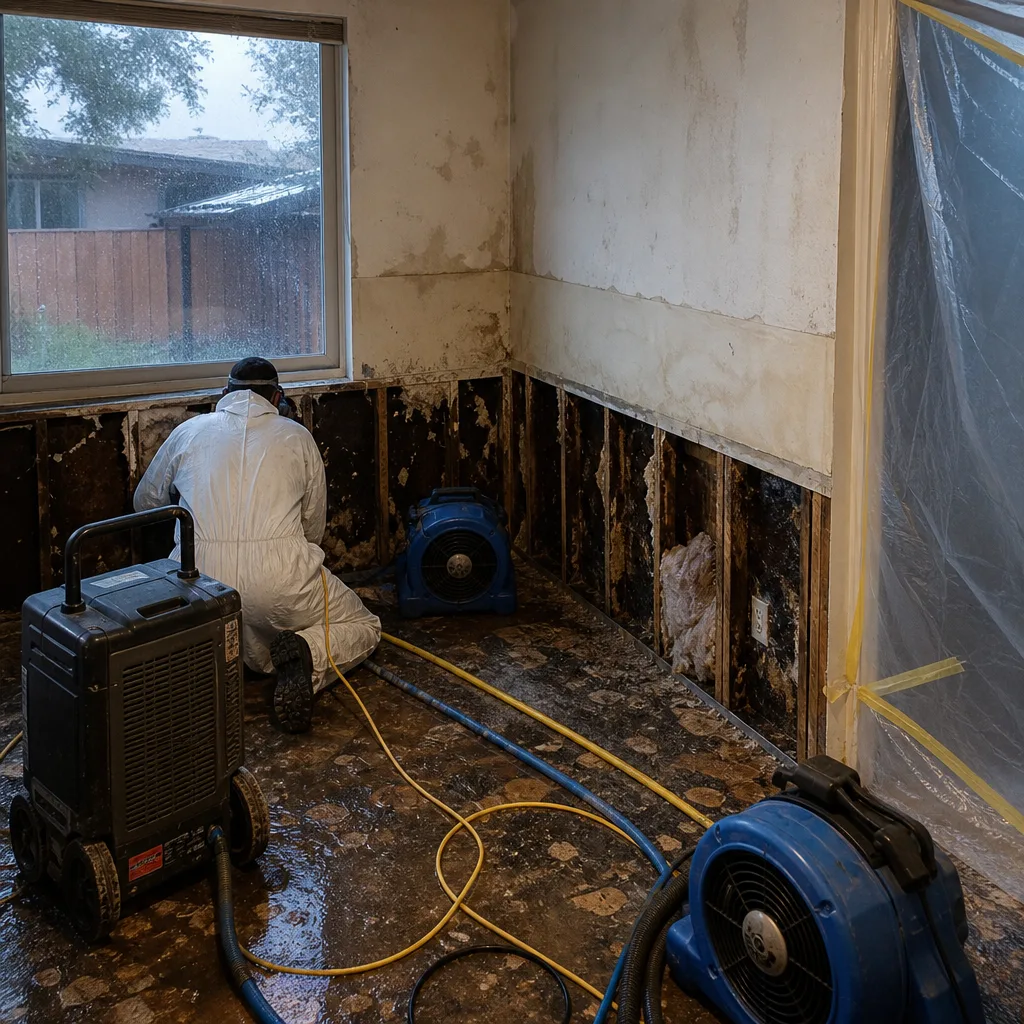 Before
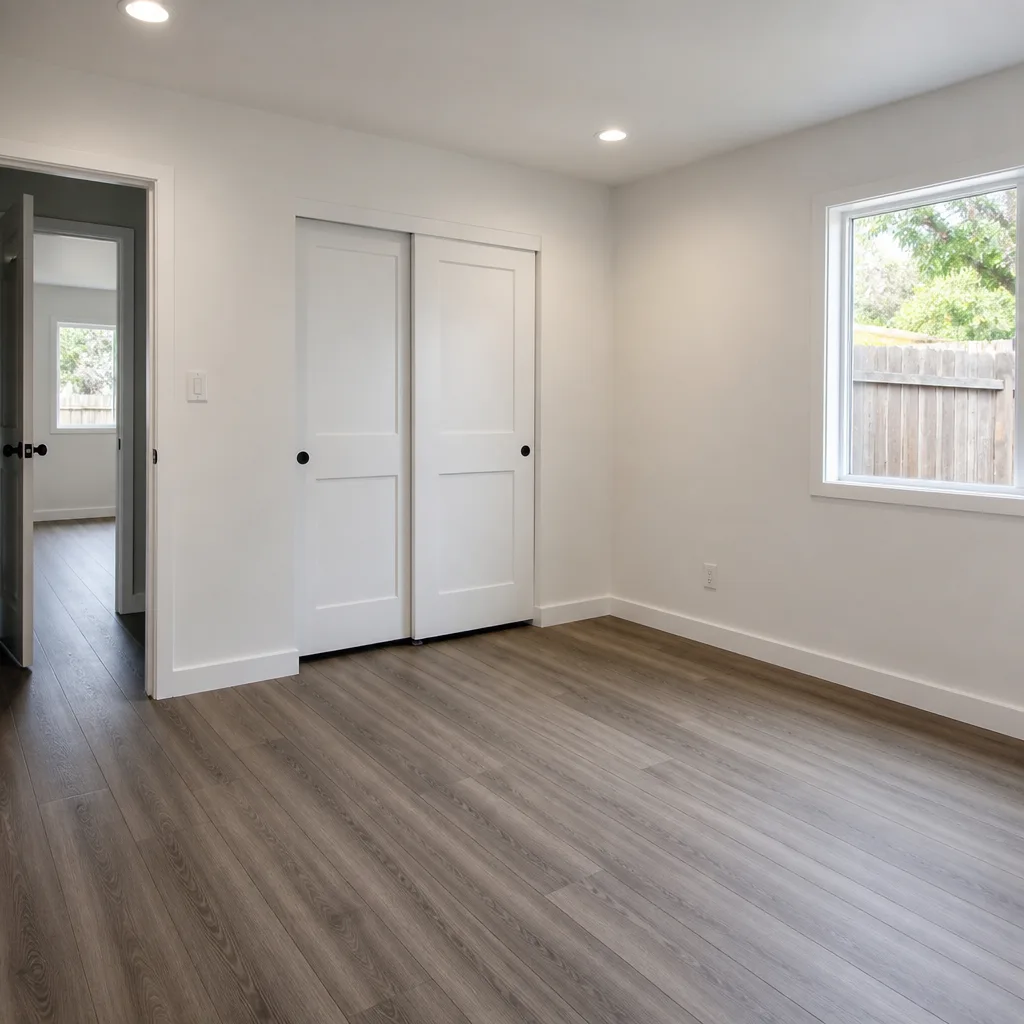 After
After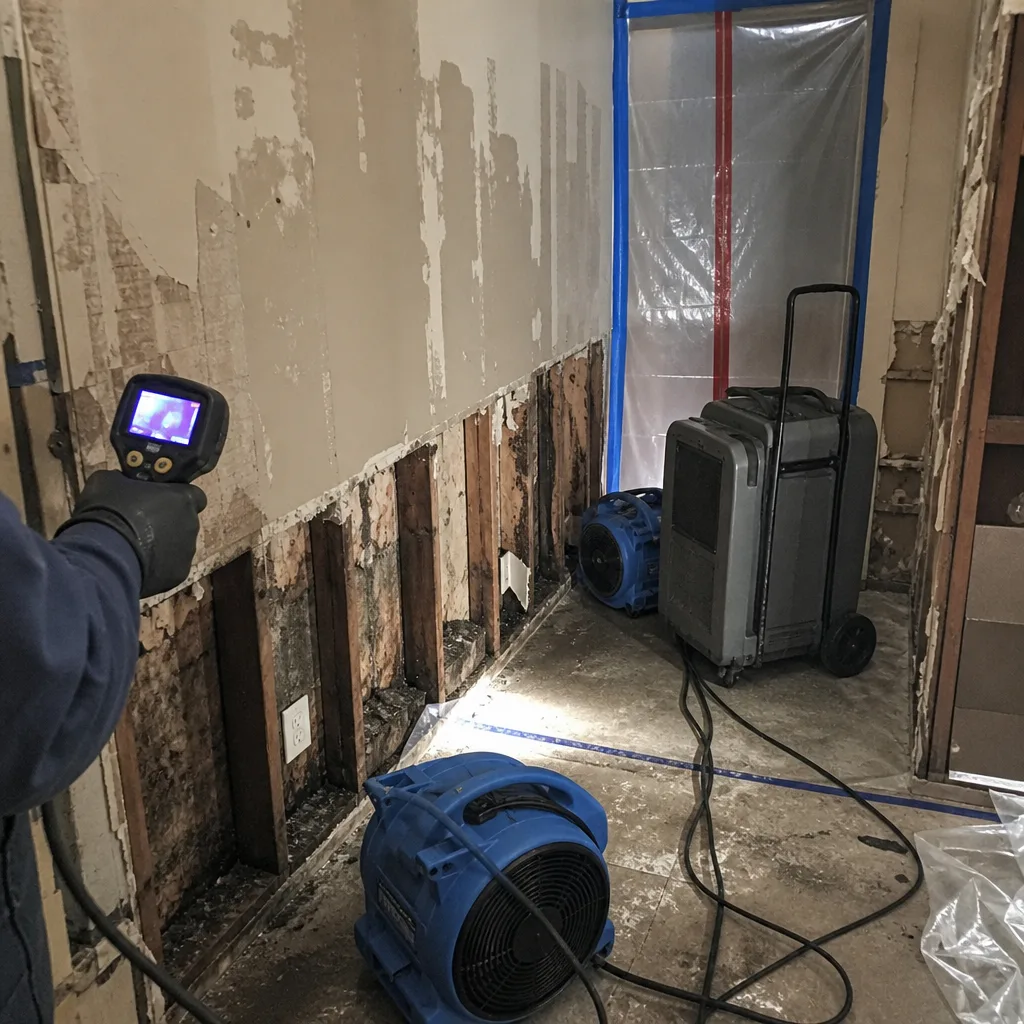 Before
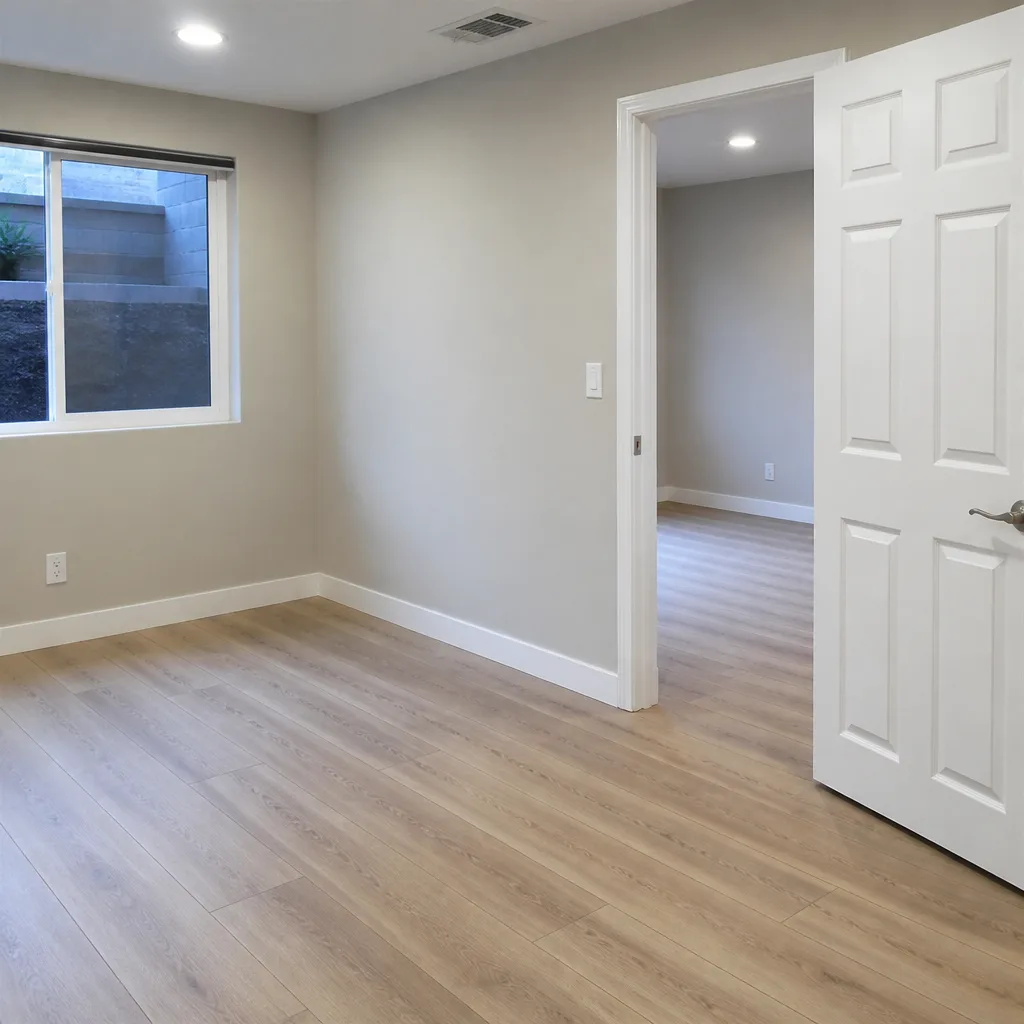 After
After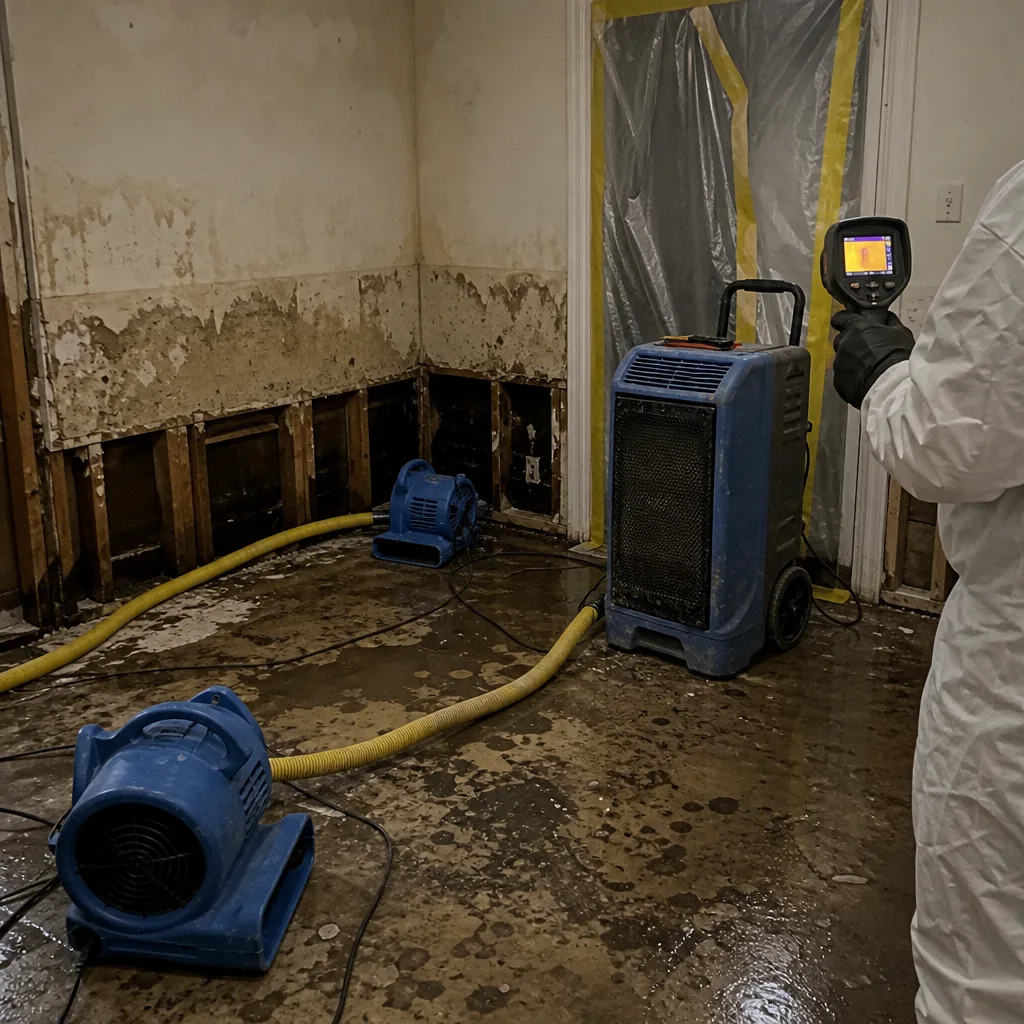 Before
 After
AfterWhen to Call a Professional
If you are facing water damage that has soaked through drywall, fire damage that touched any electrical system, or mold that extends beyond a visible surface, the permit question is not the first thing to solve, but it belongs on your list from day one. These are not projects where you want to discover the permit was skipped six months later during a sale, or twelve months later when a second claim gets denied. A professional restoration company should be able to tell you upfront, in writing, which items on the estimate require permits, which city handles them, and who files the paperwork. Mold Remediation in Orange County and Fire Damage Restoration in Orange County both involve scopes where the permit line matters. Dryden Restoration Orange County offers free estimates in Orange County, call (424) 552-4739, and we will include the permit analysis as part of the initial assessment.
Frequently Asked Questions
Not for straightforward repair work that replaces damaged materials with like-kind materials, such as drywall replacement under 16 square feet or flooring replacement without structural changes. You do need a permit when the work touches electrical systems, plumbing systems, load-bearing structure, or fire-rated assemblies. The exact threshold varies by city, so verify with your local building department.
Most restoration-related permits in Orange County cities range from $95 to $350 depending on the scope and the city. Structural or electrical permits that require plan review run higher, sometimes $500 to $900. These are the fees you would pay at the time of work. Retroactive permits after the fact typically cost two to four times as much, plus any correction costs.
You can, but you must disclose it once you know about it, and the disclosure typically triggers buyer demands for retroactive permitting, price concessions, or both. The safest path is to address the permit before listing, even if it costs $1,500 to $2,500 in retroactive fees, because the buyer will ask for that amount anyway, usually plus more.
The contractor pulls the permit under their license in almost all cases, but the ultimate legal responsibility for the property rests with the homeowner. If the contractor skips the permit, the city’s enforcement action lands on the property owner. This is why verifying the permit exists, not just paying the fee, matters.
Most homeowner insurance policies include permit fees as part of the covered claim, but the policyholder must request it and the adjuster must approve it as part of the scope. On standard water and fire claims, permit fees are routinely approved. The issue is not typically coverage, it is whether the contractor actually files the paperwork.
Call your city’s building department and request the permit history for your address. The record will show every permit ever issued and every inspection ever completed. If work appears on the record with no matching permit, that is unpermitted work. This is the exact check a buyer’s inspector runs during escrow.
The Bottom Line
California restoration work splits into two categories: repair, which restores like-kind materials and requires no permit, and alteration, which changes systems or structure and requires permits plus inspections. Orange County’s 34 cities apply this line differently, with Anaheim, Irvine, and Santa Ana each treating the same scope with different levels of strictness. The permit record protects you at resale, protects you during insurance claims, and protects you from contractors who cut corners. Ask directly, verify the permit exists, keep the documentation, and treat the permit as part of the restoration deliverable rather than an optional extra. Browse our more guides & resources for additional homeowner guidance.
Written by Carl Brandt, Owner at Dryden Restoration Orange County, serving Orange County since 2005.